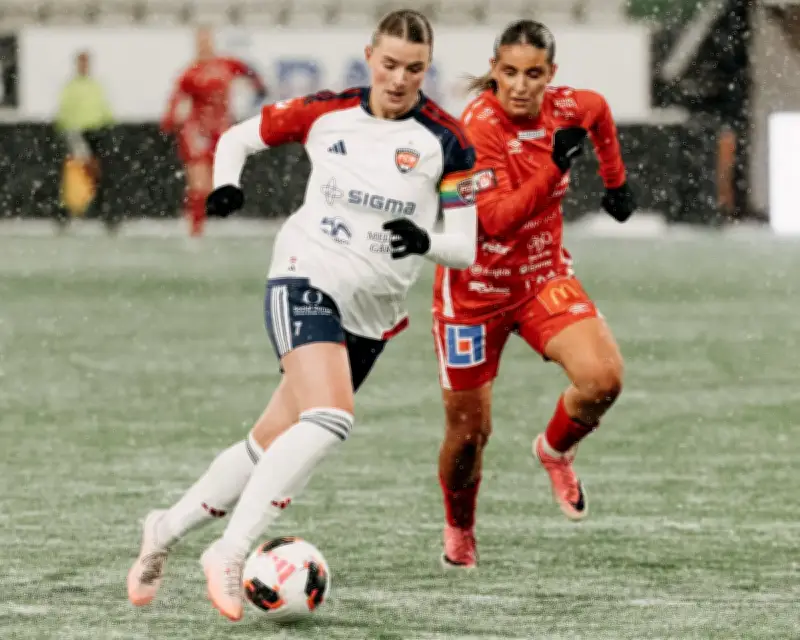
Sweden's top women's football league, the Damallsvenskan, is facing an uncertain future as both its main sponsor and title sponsor are ending their partnerships, and the top flight still has no TV deal for next season. This comes despite the league receiving more in transfer fees than any other women's league globally during the summer window, according to Fifa's latest report.
The league, which once attracted the world's best players including Marta, has seen its average attendance drop below 800 per match this season, falling from the record of 1,127 set during the Umeå era in the early 2000s. The decline has raised concerns among players and officials about the league's ability to grow.
From Champions League Success to Financial Struggles
The Damallsvenskan's decline is starkly illustrated by recent history. In 2003, Umeå won the Uefa Women's Cup, and a decade later Tyresö reached the Champions League final with future world champions in their squad. However, Tyresö went from a Champions League final to bankruptcy within a month due to crippling debts.
The league's struggles have been compounded by the recent relegation playoffs, where KIF Örebro won 5-4 on aggregate against Rosengård despite facing a winding-up petition from tax authorities. Örebro became the first second-tier side to win the playoff, only to file for bankruptcy themselves on Wednesday. Rosengård, the league's most decorated club, now look set to keep their place in the top flight.
Players Express Concern About League's Future
Malmö's Australia international Amy Sayer, who joined the club in 2023, expressed concern about the league's trajectory. "I get a lot of questions about Damallsvenskan and for players who want a bigger challenge and a way into Europe, it's a league I'd highly recommend," she says. "But I think we are on the edge. The league can turn it around, but as players we are worried that it's not going to grow."
The belief that supporters would flock to women's matches has proved to be a huge misjudgment, according to the article. Sayer noted that at her old club Kristianstad, there was always a feeling of uncertainty about survival. "At a standalone club there's always that feeling: will we survive next year?" she said.
Club Models and Investment Challenges
The league has traditionally been built on standalone women's clubs, but in recent years Sweden's biggest men's clubs have invested in women's teams. However, the anticipated surge in attendance has failed to materialise. Some point to poor media coverage, others to the league operator's lack of resources, and some blame the 51% rule requiring Swedish clubs to be majority-owned by their members.
The rule did not stop Rosengård from selling 47% of its women's team to British investment firm Crux, a deal that cost the club its most loyal supporters, who protested with a banner reading: "Goodbye! Better a B-team than a business." Vittsjö, a village of around 1,800 inhabitants, has spent 15 consecutive seasons in the top flight and recently posted on social media: "We need your help", alongside a bank account number.
As Sayer concludes: "Women's football is so exciting. It's so creative – what the players can do is incredible. But I think a new culture has to be built." The answers, the article suggests, will not come from sponsors or broadcasters but from the people who actually turn up, starting with genuine dialogue.