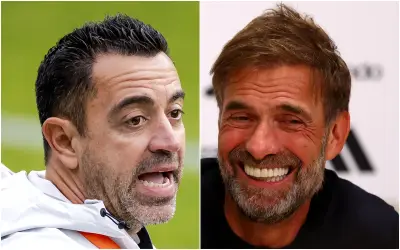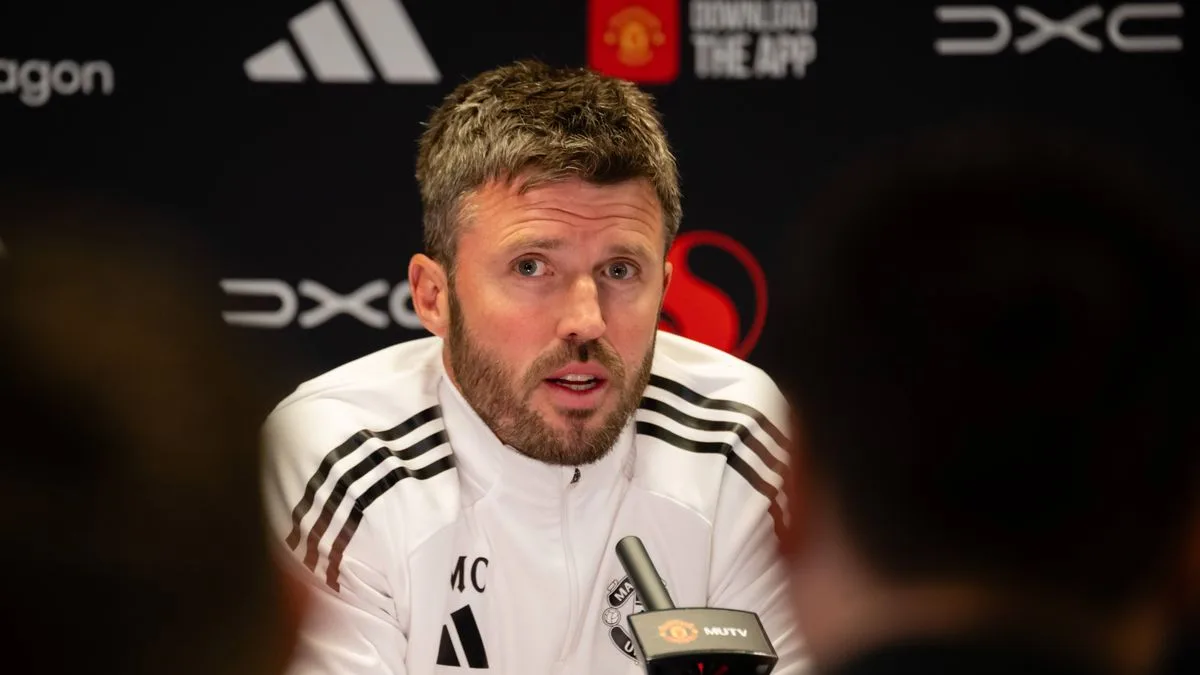
Michael Carrick's Five Key Changes at Man Utd After Replacing Ruben Amorim
Carrick's Five Man Utd Changes After Amorim Bans

Michael Carrick has swiftly introduced a series of transformative cultural changes at Manchester United following his interim appointment, marking a clear departure from the regime of his predecessor Ruben Amorim. The English manager, who took charge after Amorim's dismissal due to communication breakdowns, has already overseen a notable 2-0 victory against Manchester City in his opening match. This win has set a positive tone for his tenure, which is expected to last until the end of the season as the club searches for a permanent successor in the summer.

Reversing Amorim's Strict Bans

Under Ruben Amorim's 14-month leadership, Manchester United players faced a series of restrictive bans that shaped daily operations at the club. These included prohibitions on using international breaks for holidays, banning food in the dressing room, and forbidding staff from giving complex instructions to players. In contrast, Carrick has opted to lift these constraints, fostering a more relaxed and collaborative environment. His approach emphasises trust and open communication, aiming to rebuild player confidence and team cohesion.

Shorter, More Intense Training Sessions

One of the most immediate changes Carrick has implemented is the restructuring of training sessions. Reports indicate that sessions are now significantly shorter than under Amorim, but they are also much more intense. This shift is designed to maximise efficiency and focus, encouraging players to perform at their peak during every session. The new regimen, supported by assistant coaches Steve Holland and Jonathan Woodgate, has reportedly injected fresh energy into training, creating a vibrant atmosphere that contrasts sharply with the previous regime.

Wide Pickt banner — collaborative shopping lists app for Telegram, phone mockup with grocery list

Later Matchday Arrivals

Carrick has also adjusted matchday routines to reduce pre-game anxiety and waiting time. In the recent Premier League win over Manchester City, the team bus arrived at Old Trafford approximately 15 minutes later than usual. This intentional change aims to limit the time players spend at the stadium before kick-off, ensuring they remain focused and relaxed. Carrick places importance on a warm greeting for his squad, fostering a sense of unity and readiness as they approach crucial fixtures, such as the upcoming blockbuster clash with Arsenal.

Emphasis on Socialising and Team Bonding

Another key aspect of Carrick's new culture is the encouragement of social interaction among players. He has urged squad members not to rush home after training, instead promoting time for shared meals and casual conversations. This initiative aims to strengthen relationships and maintain a positive mood at Carrington. Carrick has personally engaged with players like Kobbie Mainoo, who were reportedly unsettled under Amorim, emphasising the privilege of representing Manchester United and the value of camaraderie in achieving success.

Transforming the Dressing Room Atmosphere

Carrick is actively working to make the dressing room a space where players feel valued and heard, directly countering Amorim's ban on food and reported lack of post-game communication. He has introduced a new ethos where players are encouraged to stay until they have been spoken to, with Harry Maguire reportedly taking a lead role in fostering vocal support. This approach aims to build a supportive environment, contrasting with Amorim's stricter, more impersonal management style that often left players feeling isolated.

Focus on Youth Development and Integration

While Amorim was criticised for underutilising academy talents, such as exiling Alejandro Garnacho and unsettling Kobbie Mainoo, Carrick is prioritising youth integration. He has already recalled youngsters like Habeeb Ogunneye from loan and brought Joe Hugill to train with the first team, signalling a fundamental commitment to developing Carrington's finest. This shift not only boosts morale among emerging players but also aligns with Manchester United's historic emphasis on nurturing homegrown talent, potentially shaping the club's future success.

Pickt after-article banner — collaborative shopping lists app with family illustration