Nicolas Anelka's Liverpool Heartbreak: A Broken Promise That Haunts His Career
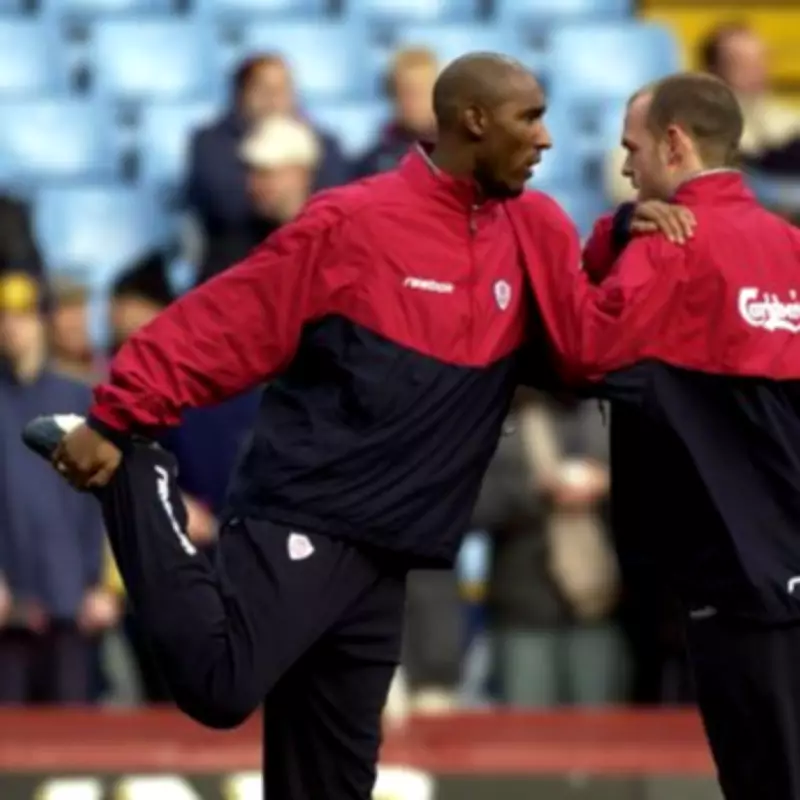
Former French international striker Nicolas Anelka has opened up about what he describes as the biggest regret of his professional football career: failing to secure a permanent move to Liverpool Football Club. The now-47-year-old forward, who enjoyed a storied career across Europe, claims that then-manager Gerard Houllier's decision to backtrack on a salary agreement ultimately prevented him from becoming a Red for the long term.
The Loan Spell That Felt Like Home
Anelka joined Liverpool on loan from Paris Saint-Germain in 2001, during a period when the Reds were building momentum under Houllier's leadership. The French striker quickly became a fan favorite at Anfield, contributing to what was then Liverpool's highest Premier League finish of second place. His performances sparked widespread clamor among supporters for the club to make his stay permanent.
"Everything was perfect! I loved everything about the club," Anelka recalled in a 2021 interview with the Liverpool Echo. "I had an amazing relationship with the fans. I loved them and I think it was reciprocal."

Houllier's Controversial Decision
Despite the apparent mutual affection between player and club, Houllier opted to sign El Hadji Diouf that summer instead of securing Anelka permanently. The manager later made cryptic comments suggesting footballing reasons weren't the primary factor in his decision, stating in September 2002: "I don't want to expose the reasons why I didn't want to sign him, but I think he knows why and it has nothing to do with football."
These remarks fueled speculation that Anelka himself had been reluctant to commit to Liverpool, a narrative the striker has consistently and vehemently denied.
The Salary Dispute That Changed Everything
In his Netflix documentary Misunderstood and subsequent interviews, Anelka has provided a detailed account of what he claims truly happened. According to the former forward, negotiations for a permanent transfer were progressing well until salary discussions became a sticking point.
"It's simple: it didn't happen because Gerard Houllier wanted to pay a lower salary," Anelka explained. "It's acceptable but you have to say it. I wanted to sign from the first minute."
The striker revealed that Houllier had initially expressed uncertainty about the permanent move, opting for a loan deal instead. However, by March of that season, negotiations had advanced significantly, with PSG shareholder Alain Cayzac reportedly informing Anelka that Houllier had confirmed Liverpool's intention to sign him.
A Face-to-Face Promise Broken
Most poignantly, Anelka claims Houllier made a personal commitment to him. "Later on Gerard told me face to face he'd sign me permanently," the striker recounted. "In the middle of April we reached an agreement about the salary, which had stalled things a little, but I was expecting to sign my contract when the league was over but there was no news from PSG and no news from Liverpool."
This broken promise, according to Anelka, represents a tragic missed opportunity. "That episode was tragic for me," he reflected. "It's a club where I could have done great things."
Career After Liverpool
Instead of remaining at Anfield, Anelka joined Manchester City in the summer of 2002, beginning a journey that would see him play for 12 different clubs including Real Madrid, Chelsea, and West Bromwich Albion. He retired in 2015 after a brief stint with Mumbai City in India.
Despite his extensive travels through world football, Anelka maintains special affection for his time on Merseyside. "Looking back, I am proud to have worn the jersey of this legendary club and to have known this stadium and these amazing fans," he said, while acknowledging that his failure to secure a permanent move remains his "biggest regret."
The striker's revelation comes as Liverpool prepare to face his former club Paris Saint-Germain in a Champions League quarter-final clash at Anfield, adding historical context to the contemporary rivalry between the two European giants.