The identity of the so-called Somerton Man, whose body was discovered on an Adelaide beach in 1948, has finally been established, according to a researcher. Professor Derek Abbott of the University of Adelaide says the man was Carl Webb, a Melbourne-born electrical engineer, and not a spy as some had speculated.
The body was found slumped against a seawall on Somerton Beach on 1 December 1948. The man, smartly dressed in a suit and tie, appeared to be in his 40s or 50s. He had no wallet, cash or identification, and the labels had been cut from his clothing. In his pockets were bus and train tickets, chewing gum, matches, combs and cigarettes. A torn scrap of paper bearing the Persian phrase "Tamam Shud" – meaning "it is finished" – was also discovered.
The case prompted numerous theories, including espionage. Authorities sent his fingerprints around the world, but no match was found. He was buried in Adelaide cemetery in 1949 with a headstone reading: "Here lies the unknown man who was found at Somerton Beach." His remains were exhumed last year as part of the renewed investigation.
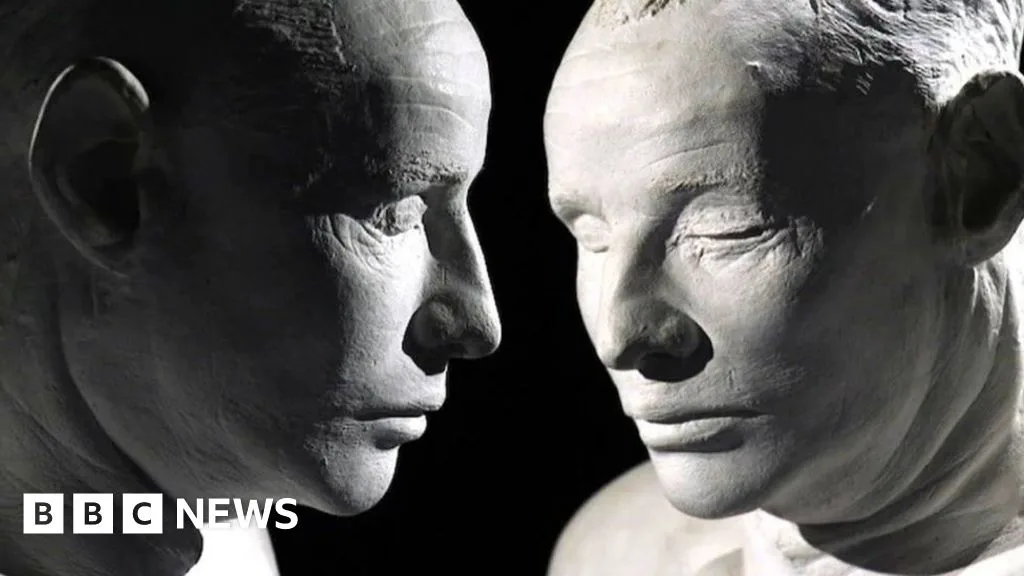
Professor Abbott used DNA extracted from hairs preserved on a plaster cast of the man's face, working with US forensic expert Colleen Fitzpatrick to build an extended family tree. From a list of about 4,000 names, they narrowed it down to Webb, later confirming his identity using DNA from living relatives. "It's a triangulation from two different, totally distant parts of the family tree," he told the Australian Broadcasting Corporation.
Webb, born in Melbourne in 1905, was the youngest of six children. He married Dorothy Robertson, and the couple later separated, with Dorothy moving to South Australia. Professor Abbott suggested Webb may have travelled to Adelaide to find her. Dr Fitzpatrick has called for toxicological tests to determine how he died and for information about Dorothy's fate.