
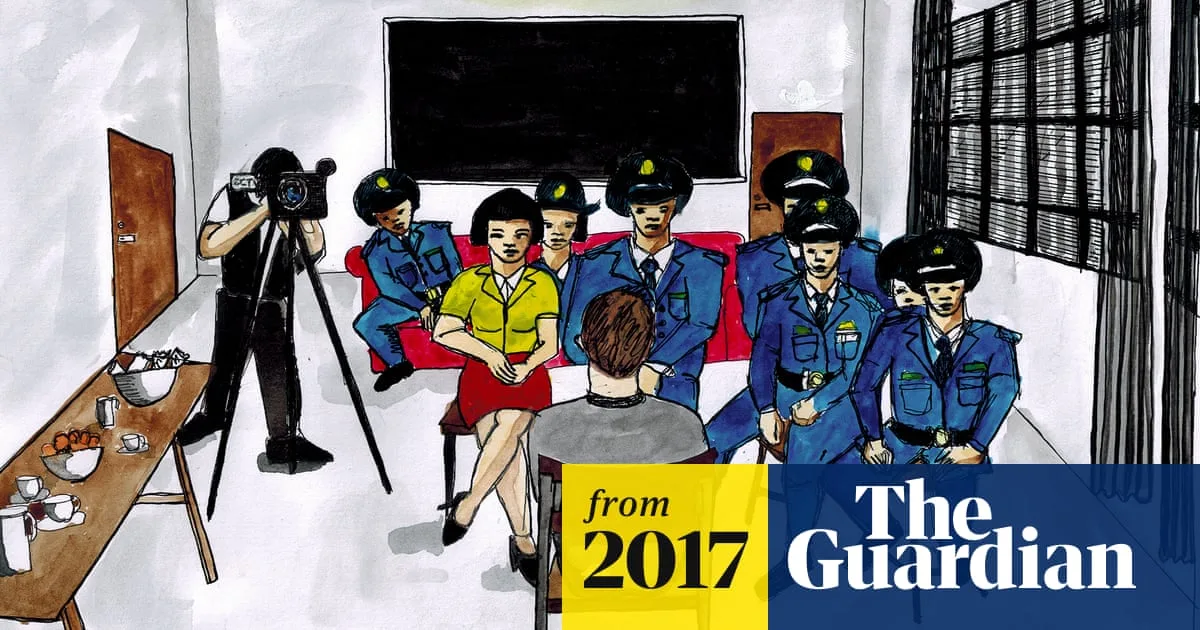
Peter Dahlin, a 36-year-old Swedish human rights activist, has described spending 23 days in a secret detention facility in Beijing, where he claims he was subjected to sleep deprivation, blindfolding, and interrogation with a 'communication enhancement' machine. Speaking from Chiang Mai, Thailand, where he now lives with his girlfriend Pan Jinling after being deported from China, Dahlin said the experience has shattered his optimism about the country's future.
Dahlin was seized by Chinese security agents on 3 January 2016 from his Beijing home and taken to a covert interrogation centre he calls 'The Residence'. He says he was confined to a cell with silent guards who monitored his every move, denied access to his embassy, exercise, and sunlight, and forced to endure late-night interrogations aimed at painting him as a spy. He believes the sleep deprivation was intended to weaken his resolve.
Dahlin had lived in China since 2004 and co-founded the Chinese Urgent Action Working Group (China Action) in 2009 with civil rights lawyer Wang Quanzhang. The group supported human rights defenders. Dahlin's first project had been a report on an illegal network of secret detention facilities, or 'black jails', identifying eight in Beijing. He now fears such treatment reflects a coordinated Communist party crackdown under President Xi Jinping to prevent organised opposition.
Experts describe the current political climate as the most severe since the 1989 Tiananmen Square massacre, with Xi building what one scholar calls 'the perfect dictatorship'. Dahlin, once optimistic, now says: 'This is how China will operate for the next 20 years. Now it's a new hard line.'




