
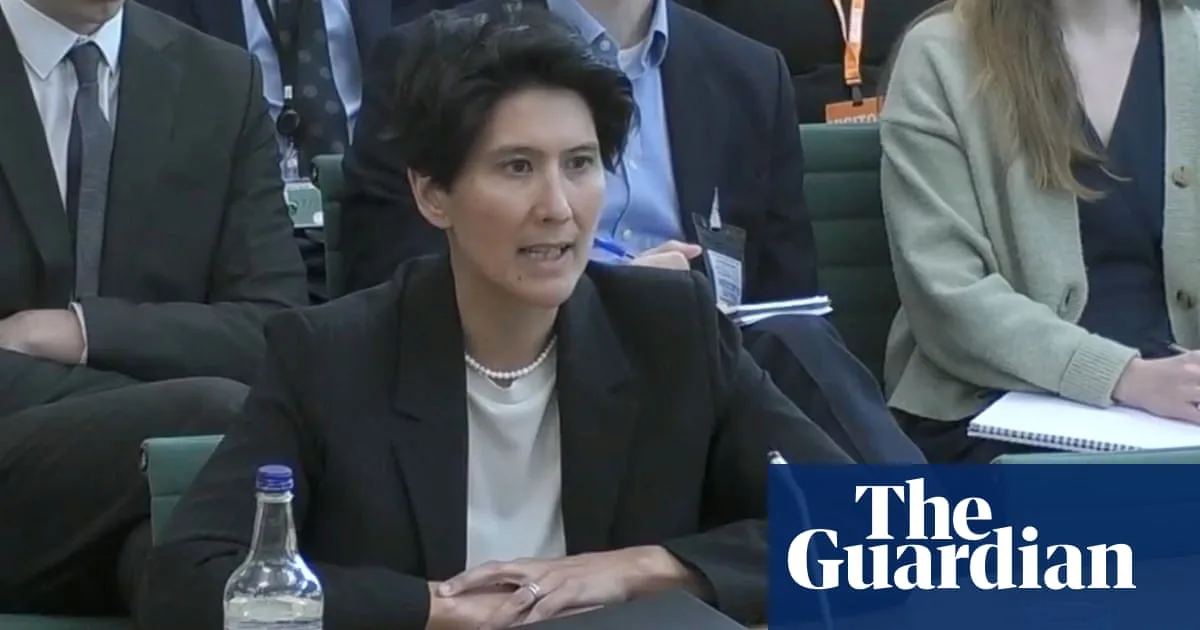
Cat Little, the top civil servant in the Cabinet Office, has told MPs that the Foreign Office refused to hand over a summary of Peter Mandelson’s security vetting during the process of his appointment as ambassador to the United States. Giving evidence to the foreign affairs committee, Little said she had to obtain the document directly from UK Security Vetting (UKSV) after Olly Robbins, then head of the Foreign Office, declined to provide it.
Little also revealed that she has been unable to locate a formal record of Prime Minister Sir Keir Starmer approving Mandelson’s appointment, though she stressed that such a document would normally exist. Despite this, she backed Starmer’s assertion that normal processes were followed, even though UKSV initially refused clearance, a decision later overruled by Robbins. “So my view is that due process was followed,” she said.
The civil servant disputed claims that the Cabinet Office had suggested Mandelson might not need vetting, stating that it was the Foreign Office which raised the question. She described emails showing a “very reasonable policy conversation” where the Foreign Office personnel security team sought advice from UKSV and the government security group, based on the assumption that Mandelson’s membership of the House of Lords meant he might not require developed vetting.
Little’s evidence highlighted tensions over the release of vetting documents to parliament following a “humble address”. She confirmed that Robbins resisted her department seeing the documents, leading her to take the “very unusual judgment” to go directly to UKSV to ensure compliance with the Commons instruction. “I felt that I needed to see some relevant documentation so that I could advise the prime minister as to whether we had fully complied,” she explained.
Her testimony comes amid criticism from Richard Dearlove, former head of MI6, who described the appointment as “extraordinary” and said there were “no grey areas” in vetting requirements. Starmer, meanwhile, hit back at political opponents, insisting that Robbins’ decision to overrule UKSV was made without informing Downing Street.




