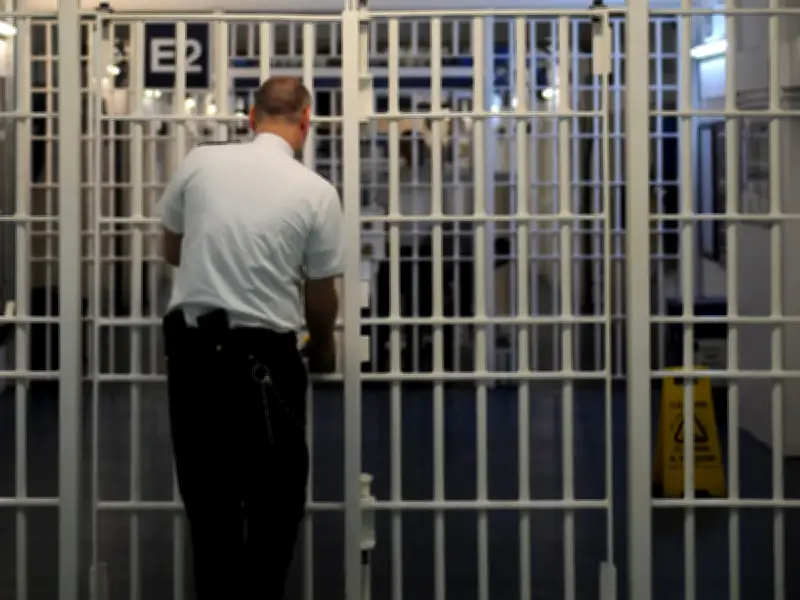
The Victims' Commissioner for England and Wales, Claire Waxman, has warned that the prison capacity crisis is increasingly becoming a public safety issue. In a statement, she said that policy changes have fuelled distress and anxiety among victims, raising the question: "Is anyone truly in control of this crisis?"
Concerns over early release scheme
As the government announces further changes to the prison early release scheme, some will welcome efforts to ensure offenders responsible for serious crimes, such as the killing of PC Andrew Harper, do not benefit. However, for many victims, the debate over exemptions can feel far removed from the questions that matter most: Will I be safe, and can I trust the system to protect me?
Over months, policies have changed, exemptions have been added, and positions have been reversed. For many victims, this has fuelled distress and anxiety. Waxman said the crisis started as a prison capacity issue but is now becoming a public safety issue.

Pressure on probation and police
When offenders leave prison, often with little or no rehabilitation to reduce their likelihood of reoffending, the responsibility for managing risk falls on overstretched probation officers, overburdened police forces, and underfunded victim services. For victims, this raises the question of whether the agencies responsible for protecting the public have what they need to manage that risk safely.
Recent events have done little to reassure. The murder and rape of vulnerable women by serial sex offender Simon Levy exposed what can happen when warning signs are missed, information is not shared, and opportunities to intervene are lost. Catastrophic failures in the systems designed to identify risk and protect the public allowed those risks to go unmanaged.
Victims let down by poor communication
With early release and increased community supervision set to place further pressure on probation, police, and the wider criminal justice system, Waxman said she is gravely concerned that these failures and oversights will not be isolated incidents. She acknowledged that the prison capacity crisis is not of the government's making, but said the government now owns the response.
Waxman said victims should never have to shoulder the consequences of years of inaction, only to be let down again by failures in planning, preparation, and communication. The government needs to deliver a clear plan, not only to create prison capacity, but to strengthen the probation, policing, and public protection systems that increasingly carry the burden when prisons are full.
For many victims, the greatest harm of recent months has been the uncertainty. Waxman's office has heard from victims shocked, distressed, and deeply uncertain about what the future holds. Many have also been let down by poor communication, receiving little clarity about what these changes could mean for them, their safety, or their future. Too often, victims have been left trying to make sense of developments through media reports, briefings, and speculation.
Courts backlog must be tackled
While prisons are dominating the headlines, the crisis in the courts receives far less attention, yet the two go hand in hand. Around a fifth of the prison population is made up of defendants waiting for their trial, because cases are taking so long to be heard. Unless the government tackles the court backlog, it will never solve the prison crisis, and victims face waiting years for their day in court.
The Prime Minister stood on the steps of Downing Street and promised a 10-year Plan for Britain. Waxman said that plan must include fundamental reform of the justice system. She said the country cannot continue lurching from crisis to crisis while expecting victims to pay the price, nor can the government hope to halve violence against women and girls without putting victims first.