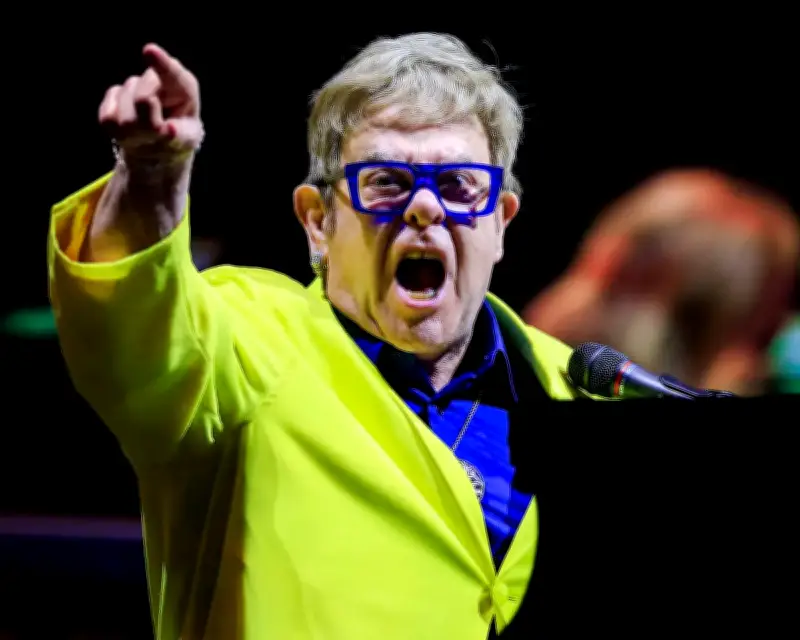
The UK government abandoned plans to let AI companies use copyright-protected work without permission after a campaign led by high-profile celebrities including Sir Elton John, Sir Paul McCartney, and Abba's Björn Ulvaeus. The fightback, which also featured actor Julianne Moore and Radiohead singer Thom Yorke, succeeded in forcing a policy reversal.
Elton John delivered one of the most memorable rebukes, calling the government "absolute losers" who were on course to "rob young people of their legacy and their income". The campaign was orchestrated by Beeban Kidron, a member of the UK parliament's upper house and an award-winning film director, who pushed legislative amendments and organised celebrity opposition.
Public support and political pressure
Kidron said the campaign struck a chord with the public. "People care about the songs, books and pictures that influence the critical moments in their lives," she said. Polling backed this up, with seven out of 10 UK adults supporting the payment of royalties to copyright holders whose work had been used to train AI models.
The campaign also benefited from creative stunts. Ed Newton-Rex, a composer and former AI executive, organised a "silent" album called Is This What We Want? featuring recordings of dormant music studios, backed by more than 1,000 musicians including Damon Albarn, Kate Bush, and Annie Lennox. Another stunt, Don't Steal This Book, involved 10,000 writers listing their names in an otherwise empty paperback, with contributors including Kazuo Ishiguro, Philippa Gregory, and Richard Osman.
Warning for Australia
Newton-Rex said the only way such a proposal gets through is "if no one notices what they are doing. It will take just a moment for people to understand this is not fair." The Australian prime minister should take heed, Kidron said. "Albanese has been a leader in standing up to tech. He should not squander his reputation by selling Australian creatives down the river."
Pierre Andrews, a former adviser on culture policy under Rishi Sunak's Conservative government, said the UK Labour government's mistake was thinking it could convince the creative industries to go along with it. "There was a strong sense of surprise within the creative community that Labour would even consider changing copyright to their detriment," he said, adding that he foresees another government U-turn, but in Australia this time.
Industry response and next steps
The tech industry still believes in the win-win argument, with Antony Walker, deputy chief executive of trade association techUK, saying the government recognised it didn't frame the initial consultation very well. "But I also think rights holders were extremely effective at shouting down the debate. It was a one-sided argument."
In March, the then UK technology secretary Liz Kendall said the key proposal to let tech companies train on copyright-protected material unless artists "opt out" beforehand was no longer the government's preferred option. The new prime minister, Andy Burnham, has yet to set out a new policy on copyright but would face a battle-hardened opposition if he took on the creatives again.