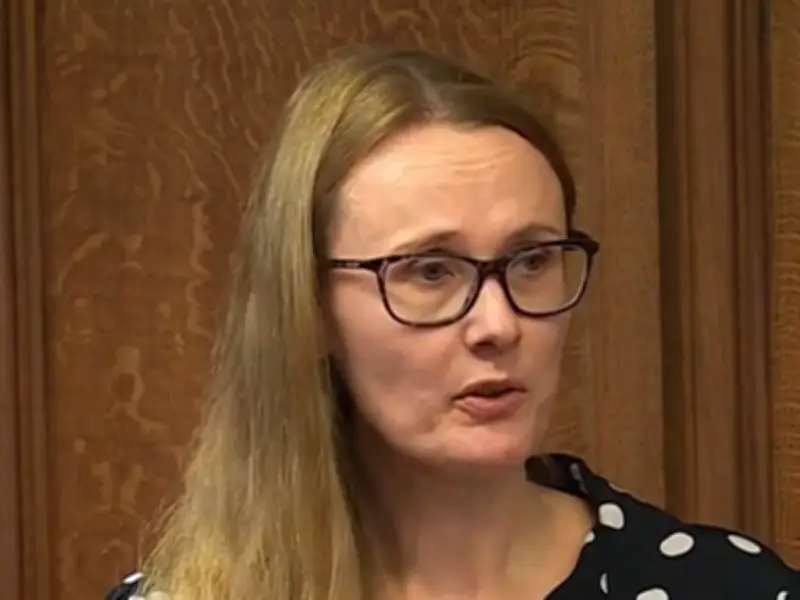
The Department for Work and Pensions has confirmed that Personal Independence Payment claims are not prioritised by a claimant's condition, with the only exception being claims made under special rules for people nearing the end of life. The clarification follows a question from MP Cat Smith about average waiting times for those with progressive neurological conditions such as Parkinson's disease, multiple sclerosis and motor neurone disease.
PIP is currently claimed by approximately 4.1 million people, and is available to those who are disabled or living with long-term physical or mental health conditions. Eligible claimants can receive up to around £194 per week, depending on their individual circumstances.
Waiting times vary by region
Waiting times for a PIP assessment differ significantly depending on where someone lives. According to the Benefits and Work website, claimants in the south-west of England wait around six weeks for an assessment to be completed, while in London that figure stands at around 16 weeks - almost three times as long.
Senior MPs this year described the delays as "unacceptable", with the Public Accounts Committee stating: "It is unacceptable how long some PIP claimants are having to wait for their claims to be processed, which can cause them to get into debt and push them into poverty. The Department does not have an adequate plan to improve this in the short term. The Department aims to process 75% of new PIP claims within 75 working days but, in 2024–25, only 51% of claims were processed within this timeframe. We have constituents who have waited a long time for their claims to be processed, in some cases over a year."
DWP response on prioritisation
DWP minister Sir Stephen Timms responded to Cat Smith's question, stating: "Other than for claims made under the special rules for people nearing the end of life, Personal Independence Payment (PIP) does not prioritise claims by the condition or conditions that the claimant may have."
He added: "We are committed to ensuring people can access financial support through PIP in a timely manner. Reducing customer journey times for PIP claimants is a priority for the Department and we are working constantly to make improvements to our service. We always aim to make an award decision as quickly as possible, taking into account the need to review all available evidence, including that from the claimant."
Clearance times and targets
Sir Stephen noted that clearance times have decreased since August 2021, with the latest statistics showing the average end-to-end journey has reduced from 26 weeks in August 2021 to 18 weeks at the end of July 2026. However, the comparison is made against waiting times during the Covid pandemic, when delays were at their peak, according to the government's own data.
The official benchmark to process the majority of PIP claims had long stood at 75 days, but the current average of 18 weeks significantly exceeds this at 126 days. That 75-day target has since been raised to 120 days - roughly four months - yet the DWP continues to fall short of even this revised goal.
Some claims may be dealt with more swiftly, while others could take considerably longer depending on individual circumstances, and the DWP notes that claimants missing appointments can contribute to holdups. The department recently defended these changes before a select committee.
Neil Couling, DWP Director General for Services and Fraud, said DWP staff rushing decisions to meet targets had led to errors. He said: "Vulnerable people will need more time. That is what we have allowed for in the target, to try to get the right culture in the Department."
PIP claimants frequently report facing lengthy delays. On a single page of the Benefits and Work website, individuals complained of waiting 25 and 30 weeks for an assessment, with some stating they had been left waiting many months for their case to be resolved. One person described the process as a "complete joke".
For further details on making a PIP claim, the government's dedicated web page provides information, while the Brain Charity website also offers guidance for those claiming PIP who are living with a neurological condition.