The Department for Work and Pensions (DWP) has confirmed the rules for Child Maintenance Service (CMS) users where a parent does not report their income correctly, following a parliamentary question from Liberal Democrat MP Martin Wrigley.
There are around 740,000 paying parents in the CMS scheme, covering approximately 1.1 million children, according to recent government data. The scheme has faced criticism from parents who say ex-partners who do not pay what they should can avoid doing so, leaving some in severe financial difficulty.
Response to MP's question
Martin Wrigley asked what steps the department is taking to tackle child maintenance cases where one parent does not report their income correctly, and where one parent does not report income correctly while the other parent has provided evidence of unreported income.
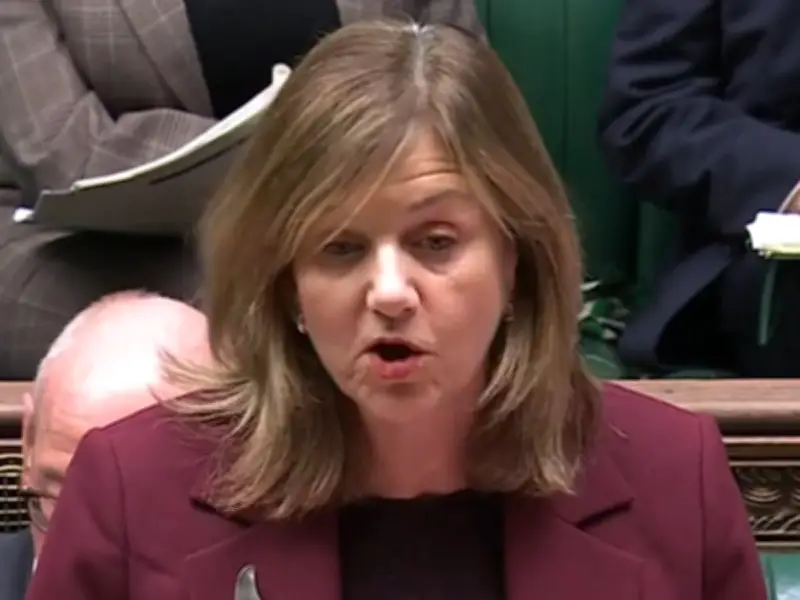
In response, DWP minister Lilian Greenwood said: "The primary goal of the Department and the Child Maintenance Service (CMS) is to ensure that children receive the financial support they are entitled to. The CMS works with HM Revenue and Customs (HMRC) and benefit systems to ensure child maintenance calculations are based on accurate income information."
She added: "Where a parent believes that income has not been reported correctly, they can provide evidence to CMS, which will consider that information and, where appropriate, make further enquiries or consider a variation to the maintenance calculation."
Financial Investigations Unit role
Greenwood said the CMS has measures to tackle fraud and the deliberate misrepresentation of income. She noted that some earners, such as company directors, self-employed parents and those with unearned income, may have greater scope to influence how income is received or reported.
She said: "In cases where there is evidence that income has been misrepresented, diverted or not fully declared, CMS may refer the case to its Financial Investigations Unit (FIU) for further investigation. This specialist team can request information from financial institutions (such as banks, investment companies and mortgage companies) to check the accuracy of information the CMS is given. If any discrepancies are found, they can implement a correct maintenance liability that is supported by CMS legislation. When an investigation finds evidence of fraud, the FIU will seek to prosecute or forward the case to HMRC for consideration of tax offences."
The DWP is also introducing reforms to bring unearned income into the standard child maintenance calculation.
Enforcement and collection figures
Greenwood said the CMS works to ensure maintenance owed to receiving parents is collected as promptly as possible. Where a paying parent does not make a payment in full or on time, the CMS will take action to re-establish compliance and recover outstanding amounts.
She said: "The CMS has a range of collection and enforcement powers available, including Deduction from Earnings Orders and deductions from bank accounts. Where necessary, further enforcement action may be taken against paying parents who persistently fail to meet their child maintenance obligations. In the year ending June 2026, CMS enforcement actions secured £235 million in maintenance payments, helping to ensure that receiving parents and their children received the financial support due to them."
In the quarter ending June 2026 alone, the CMS collected £50.5 million through Deduction from Earnings Orders and Requests, £4.6 million through Deduction Orders from bank and building society accounts, and £4.8 million from cases subject to civil enforcement action, including liability orders, enforcement agent referrals and sanctions.
Planned CMS reforms
The government is preparing to reform the existing system, with plans to scrap Direct Pay, which allows ex-partners to arrange child maintenance payments between themselves once the CMS has worked out the amount. The changes would see a single service set up so that the CMS would collect all money and pass it on to the receiving parent.
The new CMS system is set to be introduced in 2027 or 2028. For now, the current Collect and Pay and Direct Pay methods continue to operate as normal. Under Collect and Pay, a paying parent currently pays a 20 per cent charge to the CMS, which would drop to 2 per cent under the planned new system. It would stay at 20 per cent for paying parents who miss pay deadlines. The receiving parent is currently charged four per cent, which would drop to 2 per cent under the changes.
Parents paying through a deduction from their benefits would not be liable for the 20 per cent non-compliance charge, officials say.