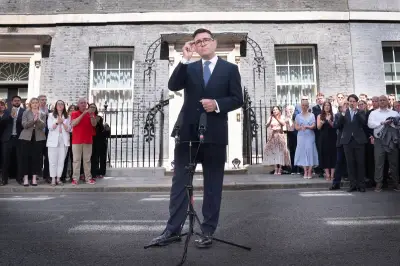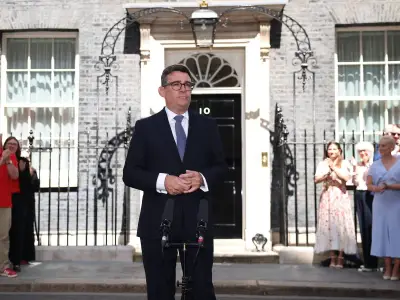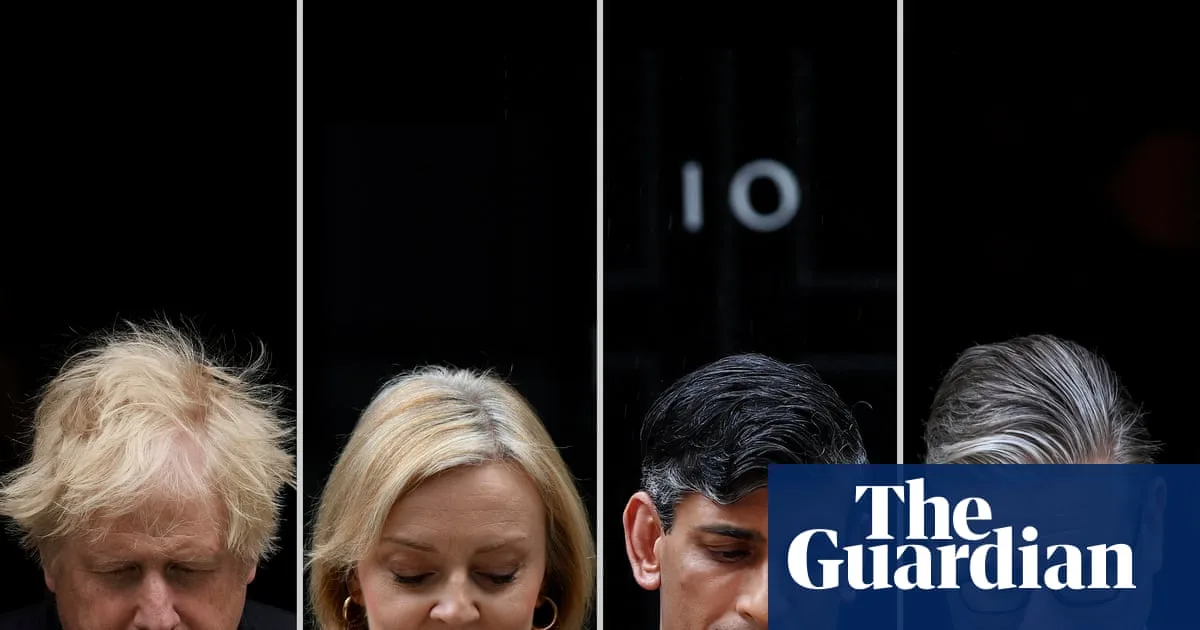
The revolving door at 10 Downing Street has seen six prime ministers since 2016, with a seventh likely on the way. This churn is unprecedented in British history, according to Anthony Seldon, author of The Impossible Office?. While similar rates occurred in the 18th and 19th centuries, the current period is unique when combined with the wider turnover of top ministers—eight chancellors and nine foreign secretaries in the same timeframe.
Gus O’Donnell, former cabinet secretary, has witnessed three transitions up close: Thatcher to Major, Blair to Brown, and Brown to Cameron. He recalls David Cameron asking what he could give Whitehall in return for changes. O’Donnell’s answer was simple: ministers who stay in their jobs long enough to master their briefs. Yet the reality has been the opposite, with one period seeing nine pensions ministers in five years.
Cath Haddon of the Institute for Government notes that while ineffective prime ministers must eventually go, the system now undervalues the time needed to learn, govern, and see projects through. The conversion rate from prime ministers under pressure to prime ministers out the door has increased, making it harder to sustain long-term strategies.

Labour’s manifesto title, “Change,” promised a break from the past, but lessons have not been learned. The demand from all sides is for faster, less incremental change—yet big speeches alone do not alter much. Effective reforms require credible blueprints, consultations, and sustained effort, none of which thrive in an atmosphere of perpetual turnover.