Rachel Reeves was publicly contradicted by the competition watchdog today over claims that petrol forecourts were profiteering amid the Iran war. The Competition and Markets Authority (CMA) found in a study that retail fuel margins were broadly unchanged since the conflict began.
CMA chief executive Sarah Cardell stated: On average, retailer fuel margins did not increase. This comes after Ms Reeves alienated industry leaders by accusing them of using soaring oil prices as cover to fleece drivers, leading to a row that saw them threaten to boycott a meeting in March.
However, the Chancellor now faces accusations that she is the real profiteer, as the VAT windfall from higher pump prices has surged to nearly £350 million. Despite this, Ms Reeves refuses to scrap her planned fuel duty hike, which will add £3 to the average fill-up from September, even as most other countries cut fuel taxes.

Reform UK, the Tories, and the Liberal Democrats have all called on Labour to ditch the increase. Reform UK Treasury spokesman Robert Jenrick said: Rachel Reeves is the real profiteer at the pump as she loads on even more tax on fuel. Instead of blaming others, she should scrap her fuel duty increase and cut VAT on fuel, as 40 other countries have done.
Shadow transport minister Greg Smith added: The only one price gouging is the Chancellor, who is taking in huge VAT increases and then cranking up fuel duty by 5p a litre. This government blames everyone else when its own tax choices hurt drivers.
Liberal Democrat Treasury spokesman Daisy Cooper called for an immediate 10p fuel duty cut, saying: The Treasury rakes in millions while families struggle. The Government must act now to save families £6.60 per tank.
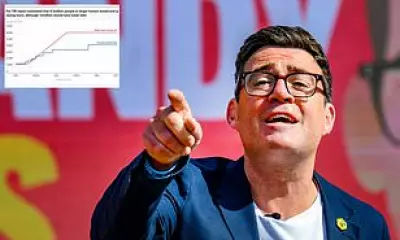
Pressure on the Chancellor mounts as the extra amount drivers have paid since the war started exceeds £2 billion. The CMA study found petrol and diesel prices rose by 26p and 50p per litre respectively between February 20 and April 20, adding over £14 and £28 to the cost of filling a family car tank. However, retail margins remained broadly unchanged at around 10.7p per litre, with no evidence of profiteering, though a minority of retailers saw increases and will be investigated.
The Treasury defended its position, stating: Motorists are paying more because of the war in Iran. This is not our war, and we are determined to keep costs down.