

UK inflation fell sharply in April, dropping to 2.1% from 2.8% in March, according to data released by the Office for National Statistics (ONS) on Wednesday. The figure came in well below economists' expectations of 2.5%, providing a significant boost to Chancellor Rachel Reeves ahead of the next budget.
Key Drivers of the Decline
The ONS attributed the slowdown to lower energy prices and a moderation in food costs. Electricity and gas prices fell by 12% year-on-year, while food inflation eased to 1.5%, its lowest level since 2021. Core inflation, which excludes volatile energy and food prices, also declined to 2.6% from 3.1%.
Services Inflation Remains Sticky
However, services inflation remained elevated at 4.7%, driven by higher wages in hospitality and retail. This component is closely watched by the Bank of England as it indicates domestic price pressures.

Market Reaction
Sterling weakened slightly against the dollar following the release, as traders increased bets on a rate cut at the Bank of England's June meeting. The yield on the 10-year gilt fell 5 basis points to 3.85%.
Political Implications
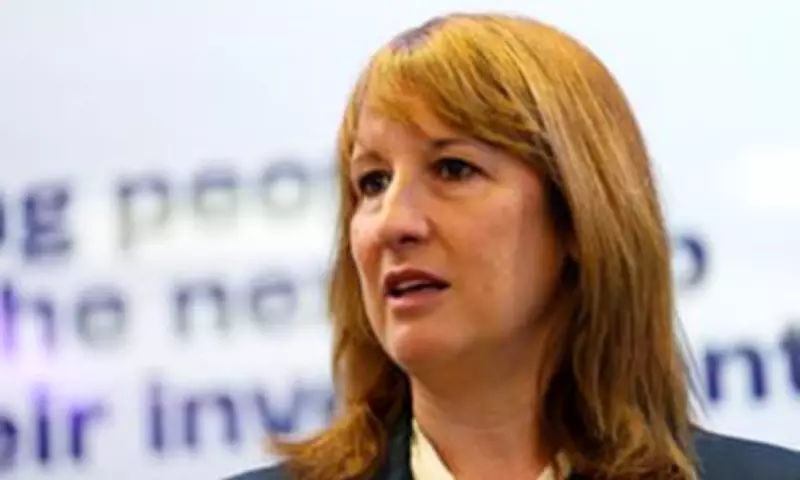
Chancellor Rachel Reeves welcomed the data, stating it shows the government's economic plan is working. However, opposition parties cautioned that prices remain high for many households. The drop gives Reeves more fiscal headroom ahead of the autumn budget, potentially allowing for tax cuts or increased spending.
Outlook
Economists expect inflation to hover around the Bank of England's 2% target for the rest of the year, but risks remain from geopolitical tensions and rising wages. The Bank is expected to cut interest rates from 4.25% to 4% in June, with further cuts likely later in the year.






