

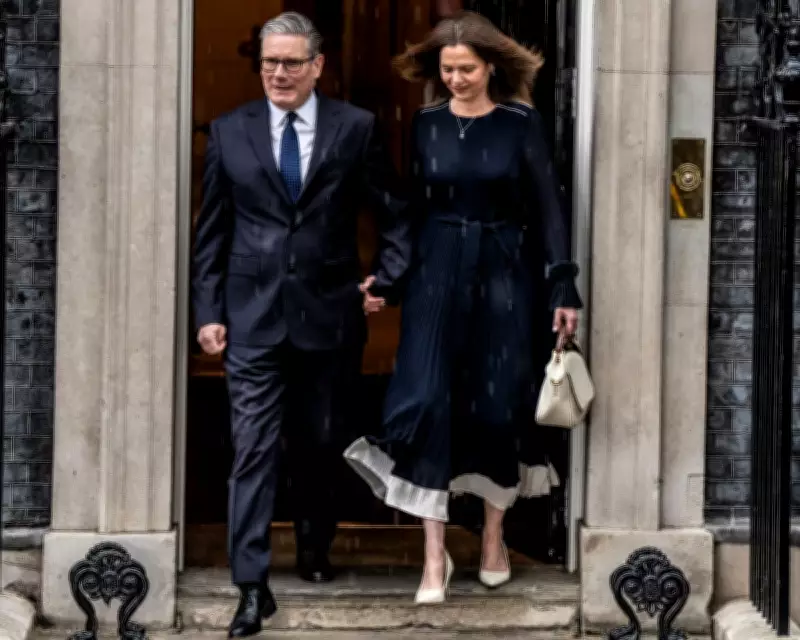
Keir Starmer's second king's speech, which outlined the government's legislative agenda for the next 12 to 18 months, has been met with criticism from within his own party. Labour MPs and analysts have described the package as 'incrementalism' and insufficient to restore voter trust.
Legislative Agenda Under Fire
The speech included 34 bills and three draft ones, covering measures such as limiting trial by jury, reshaping the NHS, and moving closer to the EU. However, critics argue that the proposals fall short of the bold action needed. One Labour MP stated, 'Most of this is incrementalism. This sums up where we have gone wrong in the first two years in government.'
Calls for Bolder Reforms
Harry Quilter-Pinner, head of the Institute for Public Policy Research, called for 'much bolder action on the cost of living, including rent controls, alongside longer-term reforms to growth, the state, and Britain's relationship with Europe.' The government's approach has been characterised as safe and lacking in ambition.

Among the key bills are an NHS modernisation bill to abolish NHS England, an education bill reforming special educational needs provision, and a courts bill limiting jury trials to address court backlogs. However, some bills have been criticised for promising less than they deliver. A 'regulating for growth' bill aims to boost competitiveness by giving regulators a mandate to promote growth, but Downing Street insists this will not weaken safety, environmental, or consumer protections.
Internal Party Divisions
The king's speech comes amid a major policy debate within the Labour party, with potential leadership candidates jostling for position. Two groups have published competing visions. The Labour Growth Group, chaired by Chris Curtis, an ally of Wes Streeting, advocates for a significant rise in capital gains tax to fund national insurance cuts, devolution allowing mayors to tax and spend, and a new office of the prime minister. Meanwhile, the soft-left Tribune group, which favours Andy Burnham as leader, calls for greater public ownership of utilities like Thames Water, changes to fiscal rules to allow more borrowing after the next election, and a new land and property tax to replace stamp duty.
Critics argue that these internal debates should have occurred before the election. Curtis commented, 'We weren't discussing ideas for how we were to run the country, and we didn't develop a good enough or sufficient plan for government for when we got there.'
Starmer's Allies Respond
Some of Starmer's allies contend that the ideas from rival factions are not significantly different from current government policy. Sources indicate that Starmer had planned to launch his own 'office for the prime minister' initiative before being sidetracked by leadership speculation. Even his critics urge adherence to the manifesto on which he was elected, limiting scope for major changes to EU relations or borrowing. Miatta Fahnbulleh, a minister who resigned this week, said, 'We need to stick to our manifesto. It's more about how do we put the manifesto up in lights.'
Curtis was blunter: 'What we need to hear from the prime minister is what are the barriers he needs to remove so change can happen quicker, and so that we can get our economy back into the place where it's growing and delivering for people. Because at this moment in time isn't.'






