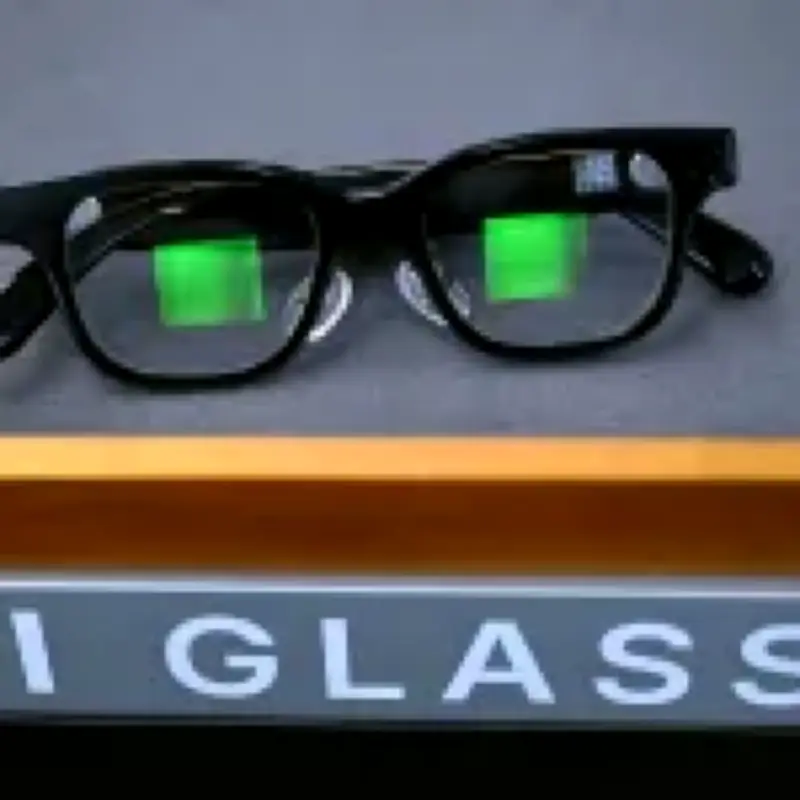
Smart glasses could be banned from the UK Parliament after MPs raised concerns about privacy and security. The proposal would prevent visitors and passholders from bringing camera-enabled wearable technology onto the Parliamentary estate, according to the Speaker of the House of Commons, Sir Lindsay Hoyle.
Filming and taking pictures in the Palace of Westminster are already forbidden beyond very specific circumstances, but wearable equipment can capture images in a much subtler way. The issue moved up the political agenda last month after Welsh Reform UK politician Jason O’Connell was accused of using the glasses as a teleprompter while delivering a speech in the Senedd. Earlier this month, a joint investigation from the Observer and BBC Radio 4 found that airport-style scanners at the entrances to the Parliamentary estate failed to flag them.
Speaker proposes restrictions
In a letter reported by the Guardian, Lib Dem culture spokesperson Anna Sabine urged Sir Lindsay to act. She wrote: “I am regularly in meetings with documents or talking about important, private matters on behalf of my constituents. I am sure you will agree that the details of such cases should never be at risk of being shared because someone is filming or taking pictures discreetly. Because smart glasses look like ordinary glasses, and increasingly their recording indicator lights can be covered or disabled, filming could easily go unnoticed by security teams, putting private information at risk.”
Another letter to Sir Lindsay was co-ordinated by Labour MPs, also urging action on the technology. Sky News reported that in his reply to the Labour MPs, the Speaker said proposals have been developed that would address smart glasses and “other devices with similar capabilities as the technology develops”. He wrote: “The proposed starting point is that visitors and passholders should not normally bring camera-enabled wearable technology onto the estate.” Exemptions would be in place for those who have genuine accessibility or medical requirements, Sir Lindsay said, though approval would be needed beforehand.
Wider considerations
Safeguarding minister Satvir Kaur has previously floated the possibility of a wider ban on smart glasses “in certain settings” and restricting their sale “to certain users”. The Labour MP pointed out people could already be breaking the law by using the tech in places such as courts. She told the House of Commons: “Other settings, such as healthcare and education, have existing safeguarding or professional policies that are relevant to smart glasses and any kind of digital recording. NHS England and the Department for Education are currently looking into wearable technology in certain settings as well.”
Anger over the technology took the form of parody adverts on the streets of London yesterday. Protest group Everyone Hates Elon was behind the posters in the centre of the capital, which claimed the glasses “enable the abuse of women” and “destroy privacy”.
Parliament and Meta respond
A Parliamentary spokesperson said: “We have robust security measures in place, with the safety of everyone who works on or visits the Parliamentary Estate our top priority. We do not comment on the specifics of our processes, as doing so could undermine their integrity and effectiveness. We are reviewing our policy and procedures on the use of camera-equipped smart glasses and other forms of wearable technology. Once agreed any changes will be communicated to the parliamentary community and to visitors.”
A spokesperson for Meta said: “It’s for Parliament to set the rules for its own estate. Our glasses are designed to be noticed. Every pair with a camera has a bright light on the front that blinks when you take a photo or video for your gallery – it can’t be turned off and the camera is disabled if someone covers or tampers with it. We’d welcome the chance to engage and meet with parliamentarians and their staff to discuss our glasses.”