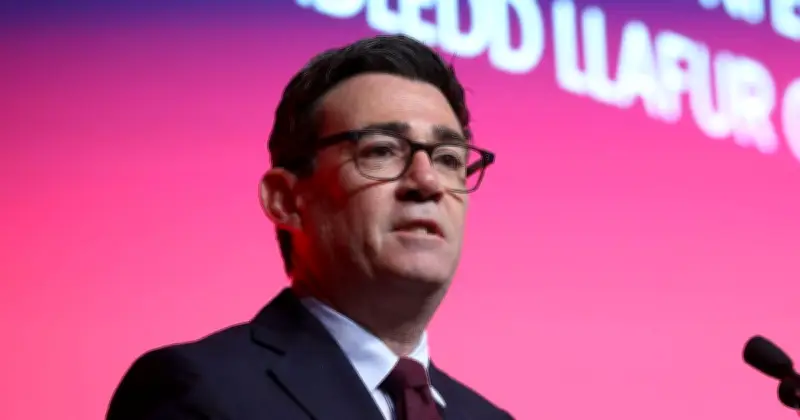
New analysis shows that rejoining the European Union would leave the average UK household £6,500 worse off within ten years. The findings come as Prime Minister Andy Burnham prepares to attend a summit in Brussels on Friday, where he hopes to confirm new trade deals covering food, energy and more.
The 176-page study, published Monday by economists at the Growth Commission, models the impact on the UK economy of thousands of EU rules and regulations covering business and commerce. Many of these amount to “anti-competitive market distortions”, according to the economists.
Cost of alternative options
The study also examines options short of fully reversing Brexit. Joining the European Economic Area, following the example of Norway, would provide access to the EU’s internal market without full EU membership but would cost households £4,820. Removing trade barriers by joining the EU’s Customs Union would cost £2,300 for the average household.
Instead, the Growth Commission recommends retaining the UK’s independence but improving the existing Trade and Cooperation Agreement, which was negotiated with the EU in 2020. A better trade deal could boost the UK economy by nearly £400 billion over 10 years, but abandoning Brexit altogether and rejoining the EU would cost almost £200 billion by 2036.
Political reactions
Shanker Singham, Chairman of The Growth Commission and head of global trade consultancy Comptere, said: “This report is a forensic analysis of all the options and provides the Government with the clear costs and benefits of each in turn.” He added: “We have found that aside from enhancing the existing trade agreement with the EU and engaging in substantial regulatory reforms, all of the options incur a net cost for the UK, some substantially so.”
A Labour Party spokesperson said: “A closer relationship with the EU, within the Government’s clear red lines, will help make trade smoother, cut bureaucracy for exporters and support economic growth in the national interest.” The spokesperson added: “The figures in this report are based on highly speculative assumptions. Given it comes from a think tank with close links to Liz Truss, people can make their own judgement about its credibility.”
A government spokesperson said: “Far from leaving UK households poorer, the new deals we are negotiating with the EU will bring costs down, add billions to our economy and slash the red tape that holds back British businesses.” The spokesperson added: “We will maintain the red lines set out in the manifesto and the Prime Minister will set out the next steps when it comes to our longer-term relationship after the Summit.”
Broader costs and political tensions
A separate study by campaign group Stay Out found that rejoining the European Union would cost the UK £39.3 billion a year in contributions, or £750 million a week. Stay Out is chaired by Oliver Lewis, who also worked for Vote Leave and acted as deputy chief negotiator for the UK government in trade talks.
The Prime Minister is facing a potential Labour rebellion over the prospect of a full or partial reversal of Brexit. Colleagues have warned this could devastate the party’s support in red-wall seats that voted “leave” in the 2016 EU referendum. Labour MP Graham Stringer, who represents a Greater Manchester seat near the Prime Minister’s Makerfield constituency, said red wall voters will flock to Reform if Labour appears to be “betraying the largest democratic vote in our democratic history”. In an interview with the Sunday Express, he said: “The Labour party at the moment has got it wrong on the European Union.”
Splits were clear at a private meeting of the Cabinet on Tuesday, when the Prime Minister updated colleagues on his plans. There were reports of a “clear divide between those who want to go further and those who don’t want to push the issue too far”.
While the proposed new relationship with Brussels is a long-term project, with no significant change likely before a general election, Mr Burnham hopes to finalise at least two deals at the summit that could come into force as soon as next year. The first will scrap restrictions on the export of food products, known as the Sanitary and Phytosanitary (SPS) Agreement, and the second would link Emissions Trading Schemes in the UK and EU, which are designed to encourage firms to cut carbon emissions.
The UK and Brussels could also agree deals on energy trading and a youth mobility scheme, allowing younger people to work or study for a period of around four years in the EU or UK. Other topics on the agenda include UK inclusion in the EU’s “Made in Europe” scheme, lower tuition fees for EU students in the UK and cutting red tape for UK musicians in the EU.
An inquiry warned on Friday that the amount of EU law affecting the UK is “likely to rise substantially compared to current levels” as a result of the agreements. For example, the British food and drink industry will effectively be regulated by Brussels.