

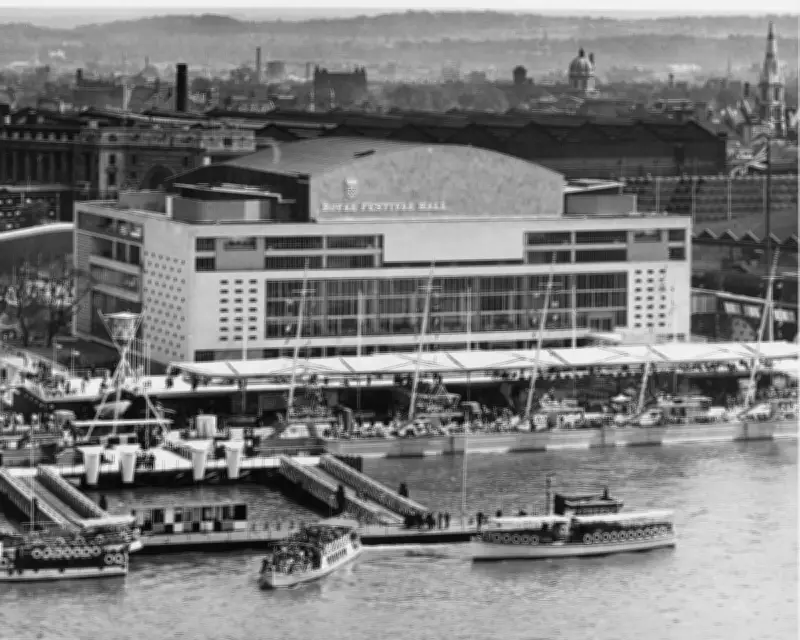
Celebrating the legacy of the Festival of Britain 75 years on by considering “how art can bring people together in the darkest times” is a fine sentiment, as noted in a recent editorial. However, far too many in this country have no opportunity to share in that legacy. We need to recognise that this country is a very different place to that of 75 years ago – it is divided and more diverse. We are now a multicultural nation – but a fractured one.
A New Festival for a New Era
A possible solution to the many racist and prejudiced attitudes we see around us is to have another festival of Britain, but with a very different focus. One where groups of people of different races, creeds and religions show the country how they differ from each other in customs and practices, but also how similar we all are, with groups showcasing their food, music, history, interests, specialisms etc. Hopefully this might help dispel the fear and mistrust people feel when new and established immigrants settle among us.
Ariella Lister from Mill Hill, London, proposes this vision, emphasising the need for a festival that highlights both diversity and commonality.

Doubts About Unifying Power
John Bailey from St Albans, Hertfordshire, expresses scepticism about the Festival of Britain’s ability to bring people together. In 1951, as a 13-year-old boy from Sheffield, he knew nobody who could afford the trip to London or even thought about going. There was no television in the north until Holme Moss began transmission in October 1951, so glimpses of the festival would have been through Gaumont British News at the cinema. He doubts that the festival brought people together from across the country or provided a model for reducing today’s gloom, suggesting that football and pop concerts might be more effective at reducing class divisions.
Personal Memories and Lasting Impact
Dr Allan Dodds from Nottingham recalls being awed by the sights of the Festival of Britain, though he was too young to attend. His aunt and uncle boarded the Flying Scotsman from Edinburgh Waverley to St Pancras in London to participate, bringing him back a souvenir stereoscopic viewer with black and white transparencies that captivated him and led him to take up photography as a career.
Peter Aylmer from Sheering, Essex, notes that there is at least one other survivor of the Festival of Britain alongside the South Bank complex. Certain works were offered to the nascent new towns of the day, and Harlow snapped up Barbara Hepworth’s Contrapuntal Forms, sited next to the Skylon, and placed it on the council estate now known as Mark Hall North, where it remains to this day. Despite the dry, academic title, it’s a profoundly moving work, showing two figures who might be attracted to each other or repelled. Aylmer, born during the festival, likes to think an early pram jaunt from his East Ham home would have given him a first chance to appreciate the work’s merits. It now bears accession number 1 of more than 100-plus works, a collection that has earned Harlow “sculpture town” status, and forms the climax of the walking tours he occasionally leads around its jewels.






