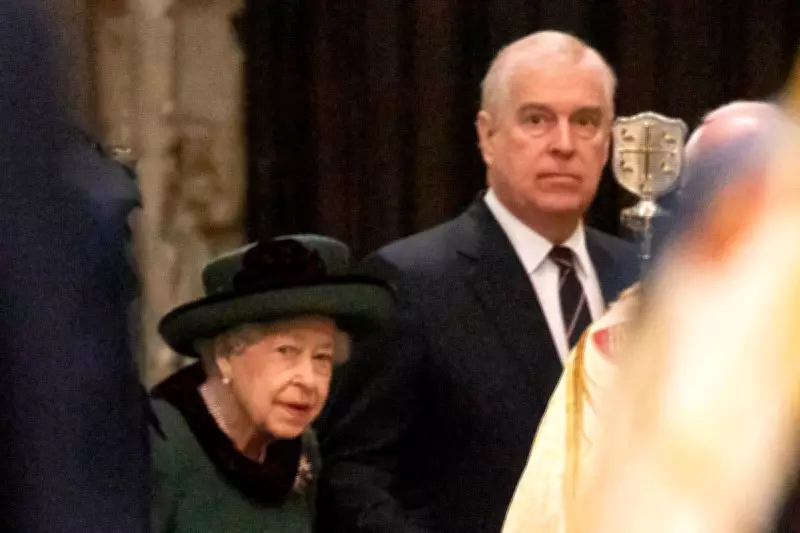
Documents released under pressure from Parliament have shed new light on the appointment of Prince Andrew as the UK's trade envoy, revealing the late Queen Elizabeth II's strong backing for his role. According to a February 2000 memo, the Queen was reportedly 'very keen' for Andrew Mountbatten-Windsor to take on a 'prominent role in the promotion of national interests.'
Role and Controversy
Andrew served as a special representative for trade and investment between 2001 and 2011, a position that granted him access to high-level government and business contacts. However, his tenure has been overshadowed by allegations that he shared sensitive information with convicted sex offender Jeffrey Epstein. The prince has consistently denied any wrongdoing.
Release of Documents
Ministers agreed in February to publish documents concerning Andrew's appointment to the role, following a Liberal Democrat request in Parliament. The released papers include vetting details and correspondence from Lord Peter Mandelson, the then-Secretary of State for Trade and Industry. A ministerial statement on the document publication is anticipated.

Andrew was arrested in February on suspicion of misconduct in public office and subsequently released under investigation. The documents also reveal that Andrew preferred to visit 'sophisticated countries' as a trade envoy and refused to play golf, a common diplomatic activity.
Political Fallout
The release of these documents has intensified scrutiny of the government's vetting process and the appropriateness of Andrew's appointment. Critics argue that his proximity to Epstein should have raised red flags earlier. The Liberal Democrats have called for a full inquiry into the matter.
As the story develops, further details are expected to emerge regarding the extent of the Queen's involvement and the government's handling of Andrew's diplomatic role.