The Commons Treasury Committee has heard concerns that state pensioners are receiving tax demands in the post for the first time in their lives, with vulnerable individuals among those affected.
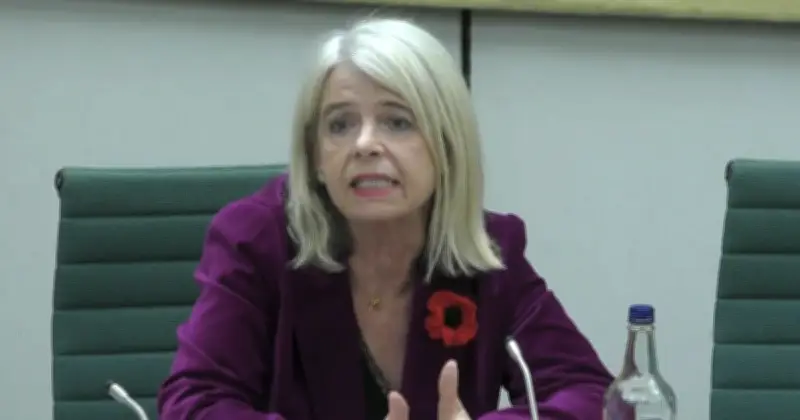
Dame Harriett Baldwin warned that people aged 80, 90, or even 100 are now receiving Self-Assessment tax returns for the first time, often after having their tax handled automatically under PAYE for decades. The issue was raised with Chancellor John Healey during a session of the committee.
Fiscal drag behind rising numbers
Concern was raised that due to the fiscal drag of frozen income tax bands, steadily more pensioners are receiving demands for the first time. Office for Budget Responsibility (OBR) analysis showed that maintaining the freeze on income tax thresholds will pull significantly more people into higher tax bands and the Self-Assessment tax net over the forecast period.
In the Budget in October, Mr Healey did not change the frozen bands which have been in place since 2022 and will run until 2031. The Personal Allowance after which people pay 20% tax remains fixed at £12,570, the Higher 40% Rate Threshold at £50,270, and the additional rate at 45% at £125,140.
Concerns over vulnerable taxpayers
Dame Harriett said: "With more and more people being asked to fill out a self-assessment form, which is what the Office for Budget Responsibility highlights, particularly in the further-out years when more people are drawn into paying higher rates of tax because of the freezing of thresholds for quite a bit longer, there will be people over the age of 80, 90 or 100 being sent self-assessment forms for the very first time in their lives."
She added: "HMRC has said that it will try to put in place safeguards. What would you want it to do in terms of safeguards? You cannot think that it is right for someone in a care home with dementia to be suddenly sent a self-assessment form, can you?"
Mr Healey replied: "No, of course not. The principled case here is that it is not unreasonable for HMRC to have powers to be able to deal with people or businesses that clearly can pay but will not pay, and at the moment have a debt they owe the public purse."
Case of widow in care home
Dame Harriett recounted a case she had been contacted over: "I had the case of a widow the other day. She is over 90 and in a care home, and suddenly HMRC was chasing this person who was unable to cope with the situation. What safeguards would you want to see put in place for these HMRC powers in the cases of some of the most vulnerable people?"
She added: "For example, if someone has dementia or is in care and does not have the mental capacity to deal with a request from HMRC, for them suddenly to file self-assessment forms for the first time in their lives does not feel like the right place for HMRC to land, does it?"
Mr Healey said officials should be able to deal with such cases carefully: "In terms of this type of specific case, I think we should credit HMRC with having some experience of dealing with this, just as DWP does. Where they get it wrong, it is important that you—and all of us, as local Members—are picking that up and challenging the system. If there is a flaw in the system, I would welcome hearing about it."
Concern was raised because HMRC is now assuming more powers, including being able to take money direct from people's accounts in some cases. Dame Harriett said: "I am concerned because HMRC now has more powers, and I think more and more people will be caught by this because of the freeze in thresholds."
Committee Chair Dame Meg Hillier concluded by confirming that the Financial Secretary to the Treasury, who chairs the HMRC Board, will appear before the Committee in a forthcoming session, where MPs plan to press the government further on statutory safeguards for vulnerable taxpayers.