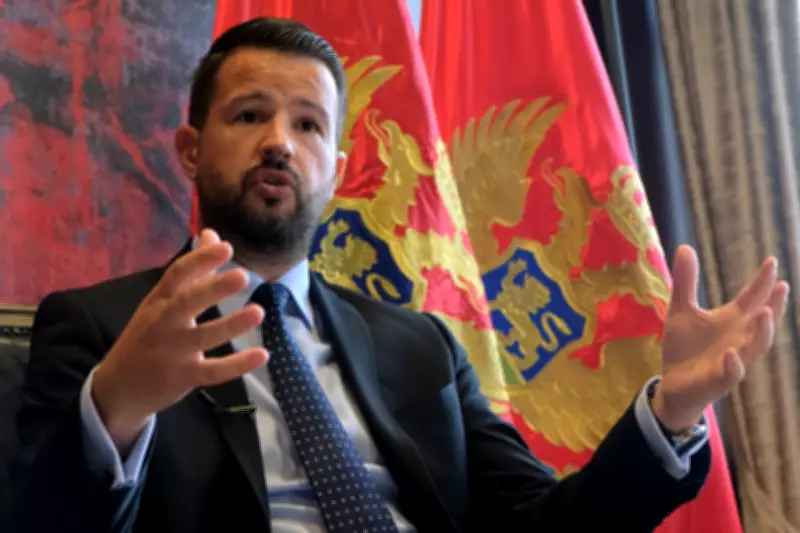
Montenegro is marking 20 years of independence from its union with Serbia this week, having already joined NATO in 2017. The nation's primary objective is now full integration into the European Union, with President Jakov Milatovic expressing confidence in achieving membership by 2028, a goal known as '28 by 28'.
Front-Runner for EU Accession
Montenegro is considered a front-runner for EU membership among the six Western Balkan countries, with public support for joining the EU standing at approximately 80%. Despite this ambition, Montenegro must complete significant democratic and economic reforms, and address issues such as organised crime and corruption, which President Milatovic noted were missed opportunities in the past.
Historical Context of Independence
The country's independence was secured through a 2006 referendum where 55.5% voted to leave the State Union of Serbia and Montenegro, a decision that was divisive due to historical and cultural ties with Serbia. Since then, Montenegro has pursued a pro-Western trajectory, joining NATO in 2017 and now aiming for EU membership.

President Milatovic has emphasised that the country must seize the current momentum, as previous delays in reforms have hindered progress. The EU has set clear benchmarks for Montenegro, including strengthening the rule of law, fighting corruption, and aligning with EU standards.
If successful, Montenegro would become the second-youngest country in Europe to join the EU, after Kosovo. The journey ahead remains challenging, but the government remains optimistic about meeting the 2028 target.