Home Secretary Shabana Mahmood has confirmed that foreign care workers already in the UK will not have to wait 15 years for indefinite leave to remain (ILR), scrapping a key part of her proposed migration reforms.
In a Commons statement on Monday afternoon, Ms Mahmood said those earning at least £25,000 and who were in the country before May 2025 would be eligible for ILR after five years. The change applies to workers already in the UK, not new arrivals.
Fairness and Family History
Ms Mahmood opened her address with a personal account of her family's migration to the UK from rural Kashmir 50 years ago. “They came here knowing one thing above all else – that they would be treated fairly here,” she told Parliament. “They came from a place where power was often arbitrary and where the dice were always loaded. They came to this country because they knew we do things differently here, and that we value above all else fair play.”
She set out a five-year settlement path for those earning over £50,000 and a fast-track route after three years for those earning £125,000. Small boat migrants arriving illegally who do not work or study will wait 30 years for settlement, while those committing an immigration breach face a 20-year wait. Disqualifying criteria include a criminal record and failing to speak English to a high standard.
Cabinet Pressure Claims
Shadow home secretary Chris Philp said Ms Mahmood had “dismantled” the reputation she had earned over the past 12 months for being tough on immigration “in just 12 minutes”. He pointed to Cabinet members Angela Rayner and Miatta Fahnbulleh as driving forces behind the watering down, claiming the “open borders left” within the party had made her capitulate. Reform UK leader Nigel Farage said Ms Mahmood “has shown her true colours”.
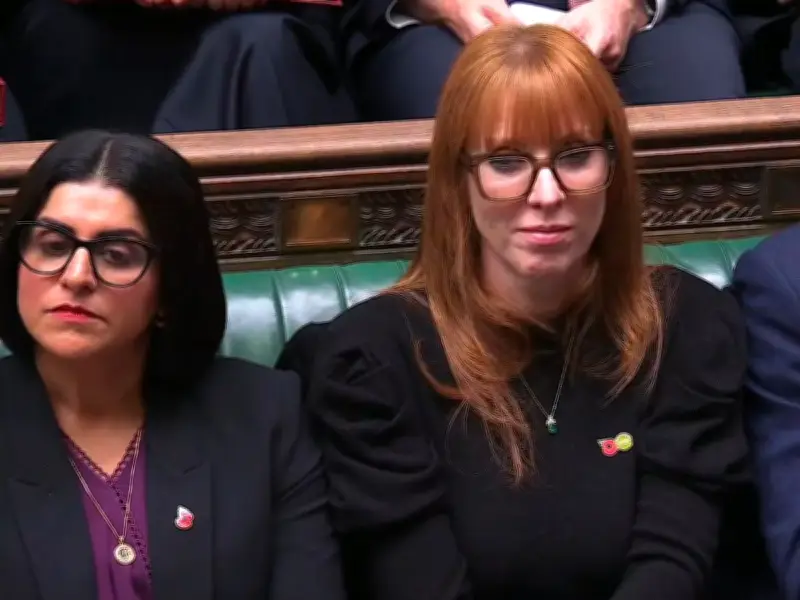
The housing secretary's absence from the chamber during the address was noted, as she had left just before Ms Mahmood spoke.
Background to the Reforms
Almost 12 months ago, Ms Mahmood laid out a plan called “a fairer pathway to settlement”, consulting over 200,000 people. She said action was needed because net migration was 2.6 million between 2021 and 2024. In 2022, the Conservative government added care workers to the UK's “shortage occupation list” to address post-pandemic staffing shortages in adult social care, triggering a large influx of foreign care workers dubbed the “Boriswave” by some critics.
Ms Mahmood warned that without action, some 350,000 low-skilled workers and their dependents would qualify for settlement and access to benefits over the next five years. In March, she told the Institute for Public Policy Research (IPPR) think tank that not implementing her previous changes in full would cost £10 billion, citing figures from the Migration Advisory Committee.
Some 100 Labour MPs signed a letter criticising the proposals and calling for exemptions for foreign care workers. MPs Diane Abbott and Clive Lewis urged the government to drop the retrospective changes, comparing them with “Windrush era policies”. Ms Rayner, when on the back benches, described the retrospective nature of the proposals as “un-British”.
Prime Minister's Position
Prime Minister Andy Burnham said ILR was a “right to be earned” but stopped short of committing to all of Ms Mahmood's reforms. In an ITV interview broadcast on Monday evening, he said it is “difficult to say” whether current net migration is too high or low. “It’s got to be, if you like, following gaps in the economy. Because if you just put a number on it, then we may have a shortage in a certain area and then you’re saying, ‘Well, we can’t recruit people’,” he said.
The Conservatives criticised Mr Burnham's remarks, saying he needed to be more robust on welfare. Reform UK's home affairs spokesman Zia Yusuf described them as “madness” and a “betrayal”.
The government faces pressure to show it is controlling immigration while addressing concerns about the effect on employers and the economy. The latest announcements leave open questions about how they will be received by voters.