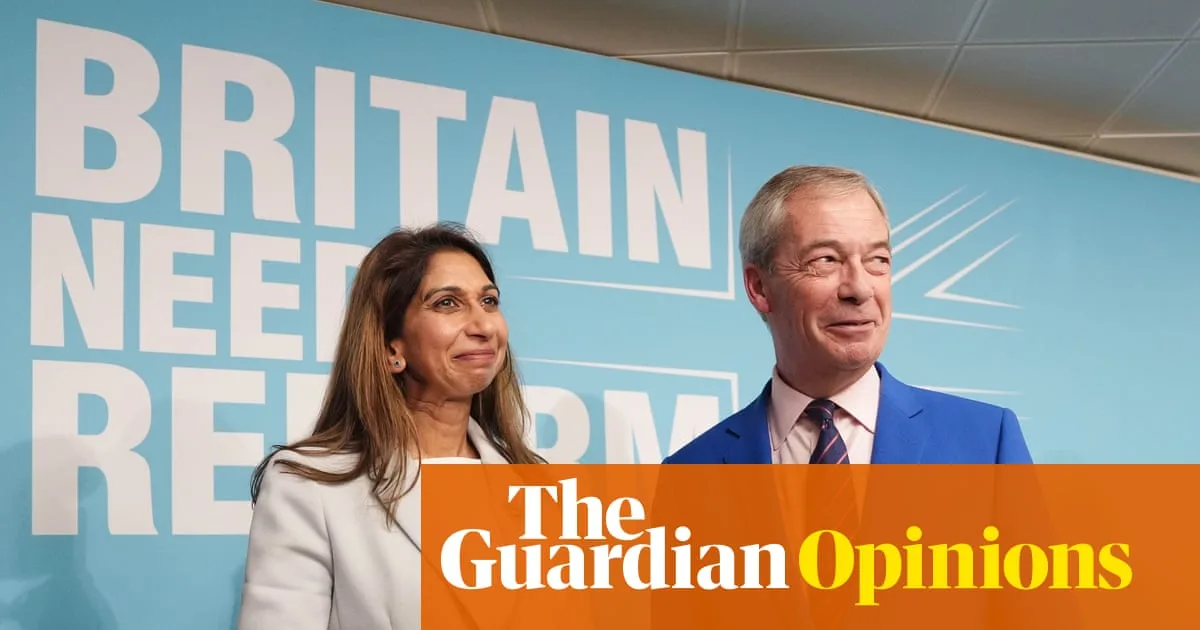
Prime Minister Keir Starmer has declared that Labour faces the 'fight of our lives' against Reform UK, describing Nigel Farage's party as an unprecedented threat with 'racist' policies that would 'tear the country apart'. Speaking at the party's conference in September, Starmer warned that Reform represents a strain of right-wing politics alien to Britain, and reiterated this view in a pre-Christmas interview, stating he could 'sleep at night' under the Conservatives but not if Farage's party were in power.
However, internal confusion persists within Labour, with official social media accounts routinely claiming the Tories and Reform are 'basically the same'. A post last month suggested both parties offer 'same people, same chaos and decline', while an advertising campaign titled 'Tories: the sequel' is reportedly being planned. This contradicts Starmer's framing of Reform as a unique danger, creating an incoherent message that senior government figures privately acknowledge.
The party is now belatedly commissioning polling to test which attack line works best—portraying Reform as an unprecedented peril or as recycled Tories. Other potential angles include Farage's hostility to workers' rights, the jailing of former lieutenant Nathan Gill for bribery linked to Russia, and Farage's support from wealthy MAGA-style donors. Those overseeing the exercise insist they are driven by data, but the debate reflects deeper divisions over which voters Labour should target.
For the past five years, Labour has focused on 'hero voters'—older, working-class Brexit supporters now leaning toward Reform. Portraying Farage as 'new' and 'different' risks ceding the mantle of radical change to him. Conversely, some Labour MPs and ministers fear this strategy has opened up the party's left flank, with younger, pro-European graduates switching to the Greens, Liberal Democrats, SNP, or Plaid Cymru. Showing Labour as a bulwark against Reform's existential threat to progressive values could help rebuild support on the left, particularly ahead of a crucial by-election in Gorton and Denton this month.
The situation echoes the mid-1990s, when the Conservatives struggled to attack Tony Blair before settling on the slogan 'New Labour, New Danger'. Labour must now decide whether Reform is a dangerous new force or merely a sequel to Tory rule—a choice that will shape its electoral strategy and future direction.