

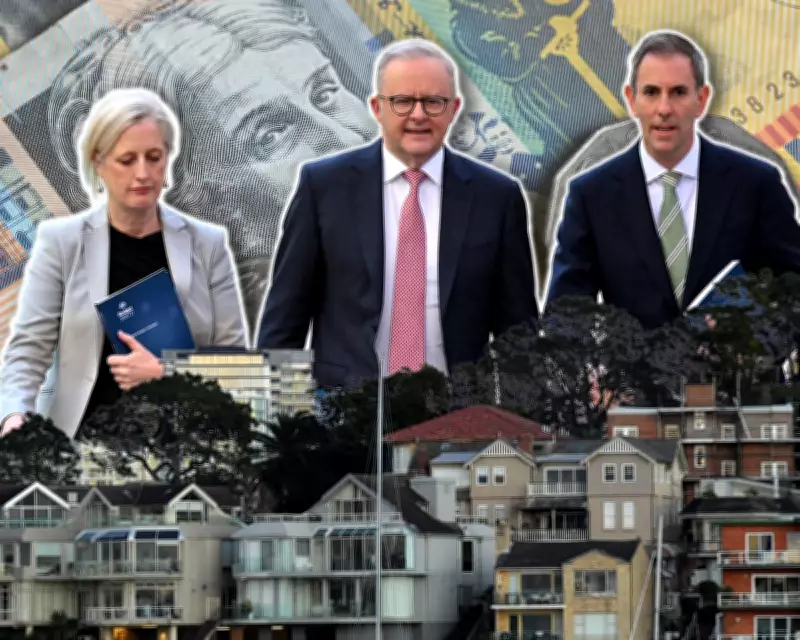
The 2026 federal budget announced changes to the capital gains tax discount and negative gearing concessions, measures designed to help owner-occupiers gain a foothold in the housing market. Economists believe home values are set for their first national slump since 2022, though Australia's persistent housing shortage means any fall would be short term.
Investor Tax Changes and Market Reaction
Steph Thomas, a mortgage broker, received calls from four homebuyers looking to pull out mid-purchase after the government curbed investor tax breaks in last week's budget. Two were investors weighing the budget's impacts, but two were owner-occupiers entirely unaffected but worried by the reforms. Thomas noted that the average buyer does not necessarily understand terms like capital gains tax or negative gearing and that people are scared, causing a pause in the market where before there was a frenzy.
Fear is expected to weigh on property prices, according to multiple forecasts, with sentiment already weighed down by rising interest rates and broad economic pessimism. More than half of the homes listed for auction in Sydney in budget week did not sell, the city's weakest result since pandemic lockdowns began in April 2020, preliminary Cotality data suggests. Ray White reported open home attendance fell by a sixth nationwide. Auctions have recorded a national clearance rate below 60% for much of the past two months, putting the market in price fall territory.

The Scare Campaign
Labor's changes target those making future property investments, who will no longer enjoy negative gearing on most property purchases and will be taxed at the new inflation-adjusted rate for their capital gains. The country's 2.3 million investors will retain all tax advantages on their existing 3.3 million properties. Treasury forecasts just a fraction will exit, pushing rents up less than $2 a week on average and allowing about 75,000 people to enter the market. Investors will still be able to negatively gear newly built homes, and some economists believe the reforms will leave some better off.
Parts of the property industry and some commentators have raised the alarm. Tom Panos, top real estate agent and auctioneer, predicted an investor exodus. Jack Henderson, a real estate agent and social media influencer, predicted a 15% boom in rents. Sam Gordon, another influencer, said investors may simply stop buying and selling. The post-budget Newspoll found more people expected to be worse off than better off after the budget across all surveyed groups. Treasurer Jim Chalmers blamed the result partly on an unhinged scare campaign from people with partisan or commercial interests, saying the government was trying to fix the under-taxation of property investment.
A Short Term Slump?
Economists believe the strength of homebuyers' and investors' reaction to the budget could drag the housing market from weak growth to a short-term slump. Investor activity had contributed to home prices rising nearly 10% in the year to February in capital cities, but that pace has slowed to just 3% on an annualised basis in May. Trent Saunders, a Commonwealth Bank economist, said the fundamentals of the tax changes mean house prices should end 2026 growing at a pace of 3%. Slumping buyer sentiment would undermine the already weak market.
Home lending has already recorded its sharpest start-of-year slowdown since 2019, weighed down by three consecutive interest rate rises and rising living costs. The number of new loans fell 6.2% in the first three months of 2026 compared with the prior three months. Investor lending fell 5.3% after rising to record highs in 2025 to make up two in every five loans. Labor's tax changes are largely designed to rebalance that ratio in favour of owner-occupiers, not achieve a specific pace of price growth. Chalmers has said he expects house prices to continue to rise at a slower rate in the long term.

In the short term, economists from NAB, Macquarie, Barrenjoey, HSBC and UBS expect house prices to fall. Cotality data suggests the median price in Australia's capital cities has already started falling. Matt Bowes, housing expert at the Grattan Institute, said the reforms' small drag on house prices would help housing affordability in the short term. Shane Oliver, chief economist at AMP, expects the price hit to arrive quickly as investors step back. The expected slump would be the first sustained fall in Australian home prices since 2022, where prices fell about 7.5% in eight months before recovering.
Chalmers has said housing supply is the main game for improving affordability, but the government's housing council expects Australia will fall 220,000 homes short of its goal to build 1.2 million new homes by 2029. Oliver believes Australia's undersupply of homes will push prices back up once interest rates ease and the tax shock passes.





