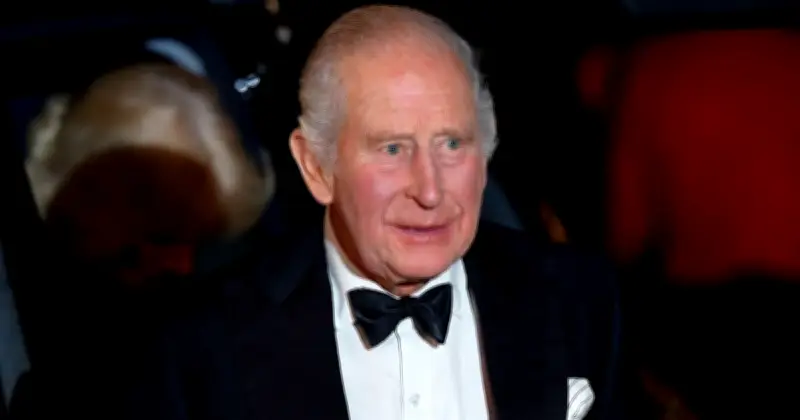
King Charles has volunteered to pay the new "mansion tax" on his palaces, despite being legally exempt from the charge. The monarch will waive his Crown immunity to pay the high-value council tax surcharge. The levy, which comes into effect from April 2028, applies to homes valued at £2 million or more.
Buckingham Palace has formally shared His Majesty's position with the Treasury, The Times reports.
Scope of the tax
Announced in the autumn Budget, the tax is expected to affect roughly 156,000 properties in its first year, adding between £2,500 and £7,500 to annual council tax bills. However, according to the newspaper, it has not yet been finalised which specific royal properties will be included in the King's bill.
This is a complex administrative process, as the fee typically falls to the property owner rather than the resident.
Royal properties affected
The King privately owns the Balmoral estate in Scotland and Sandringham in Norfolk, having inherited both from the late Queen Elizabeth II. His Crown exemption meant he did not pay inheritance tax on these privately owned properties.
Meanwhile, official residences including Buckingham Palace, Windsor Castle, the Palace of Holyroodhouse, and Clarence House—where the King and Queen Camilla live in London—are owned by the Crown Estate. Highgrove House, the country estate in Gloucestershire, is owned by the Duchy of Cornwall, which is currently held by Prince William.
Impact of the levy
Most royal properties are valued well above the £2 million threshold and would therefore be subject to the tax without the Crown exemption. Under the new rules, properties valued over £5 million face the maximum annual charge of £7,500.