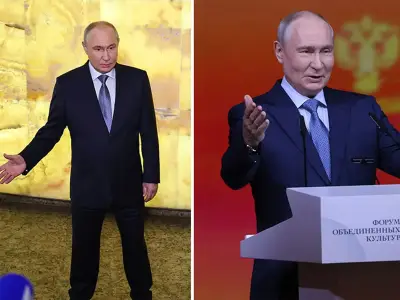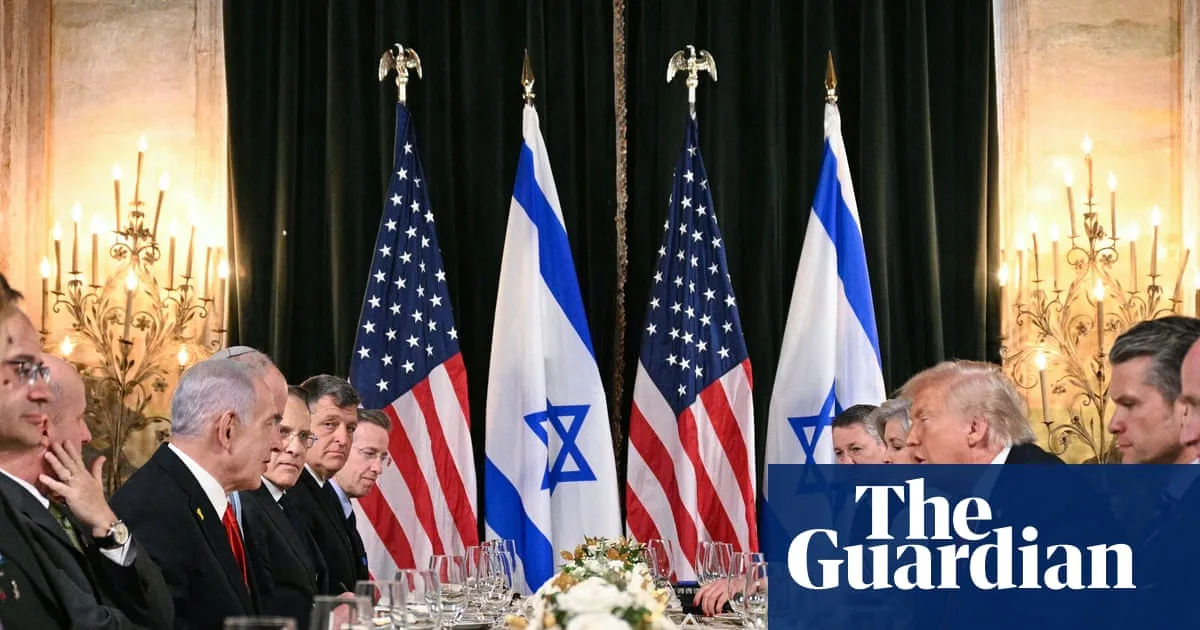
Donald Trump's proposed 'Board of Peace' is quietly evolving from a temporary mechanism for Gaza's reconstruction into a permanent system of external control, raising urgent questions about governance in Palestine. Initially framed as a narrow oversight body, the board is now being positioned as a standing global institution chaired by Trump himself, operating parallel to the United Nations. More than 60 world leaders have been invited, with a $1bn fee for membership lasting over three years.
Palestinian-American historian Rashid Khalidi warns that this shift represents a return to pre-First World War era imperialism. 'The masks are being dropped,' he said, drawing parallels to 19th-century South Africa where mining magnates dictated British policy. Khalidi argued that Trump's approach, driven by oil investments and billionaires, is not new but rather a naked form of corporate colonial control.
The board's charter, circulated among global leaders, recasts it as a permanent institution promoting peace, despite the ceasefire in Gaza being repeatedly violated. Since the October ceasefire, Israel has killed 464 Palestinians, according to reports. European and Arab diplomats had initially supported the board as a way to keep Trump focused on Gaza, but now see it as an experiment in executive control.
Trump's broader foreign policy moves, including threats to impose tariffs on European countries and claims of a 'framework for a future deal' on Greenland, have been met with scepticism. Danish and Greenlandic officials pushed back, noting Nato has no authority over such deals. Meanwhile, Trump's Davos speech reassured European leaders he would not use force against Greenland or impose crippling tariffs.
Khalidi concluded that Trump's policies, not just in Palestine but also in Venezuela, Canada, and Mexico, signal a dangerous shift towards unchecked imperial ambition. The Board of Peace, he argues, is a symptom of a broader trend undermining democratic norms and international law.