

For three years, John Kampfner scoured the world for answers to Europe's big problems, and his findings point to Japan and Taiwan as exemplary models. These countries have built enviable care systems through courageous planning, combining radical ideas with low-tech solutions that are often hiding in plain sight.
Multigenerational Communities in Japan
In Fujisawa, a small town near Yokohama, Kampfner witnessed a multigenerational community where schoolchildren help pensioners with homework, while the pupils' parents care for the elderly. Nearby, university students live above over-75s, receiving half-price rent in exchange for checking in on them. This is one of 5,000 such communities across Japan.
By 2050, Japan could have nearly half a million centenarians, with pensioners making up almost 40% of the population. Japan has the world's highest life expectancy—87 for women and 81 for men—and has confronted its demographic challenges head-on. In 2000, it introduced a long-term care insurance system, one of the first public schemes of its kind. Transparent and easy to navigate, payments begin at age 40, and the system aims to 'maintain dignity and an independent daily life routine according to each person's level of abilities.'

Low-Tech Solutions
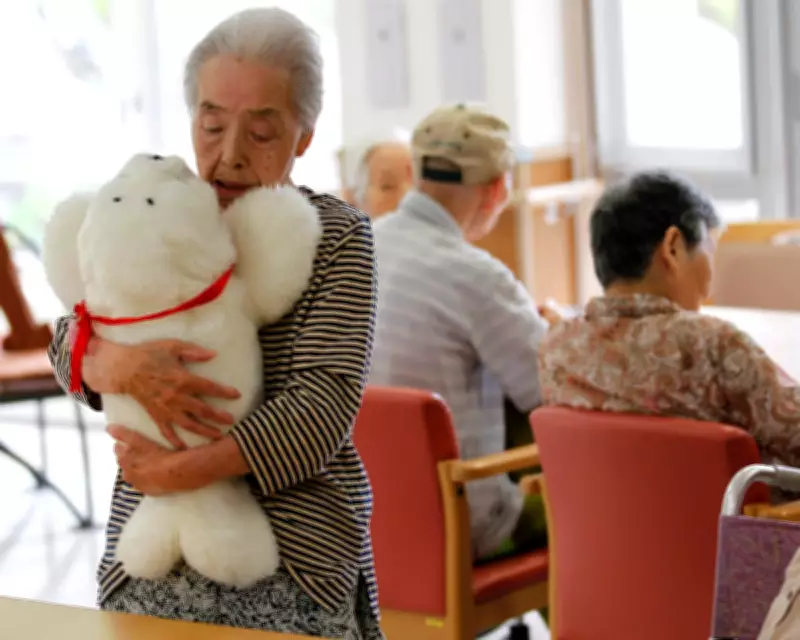
While eldercare robots often dominate international headlines, Kampfner was more impressed by low-tech innovations. In Kawaguchi, north of Tokyo, community general support centres offer drop-in hubs providing lifestyle support for older people, including medical advice, help with bills, or simply company. These centres are being rolled out across all of Japan's 1,700 municipalities.
Europe's Struggles with Ageing
European economies are creaking under the strain of funding pensions, care services, and health. Yet governments remain politically timid on social care and health reform. Germany has announced healthcare cuts, France faces 'health deserts' due to its centralised system, while Sweden's decentralised approach overperforms. Spain, with one of Europe's highest life expectancies, runs a universal system through its 17 autonomous regions.
The UK is the most abject in building a transparent care funding system, with successive prime ministers avoiding sensible reforms. In contrast, Japan and Taiwan started preparing decades ago. Taiwan's National Health Insurance (NHI) is quick, efficient, and highly digitised, with patients seeing a specialist within 20 minutes or via an app. At around 8% of GDP, it is far cheaper than the European average of 10-12%.
Political Courage Needed
Kampfner argues that mainstream politicians in Europe lack resilience, imagination, and political courage. They fear short-term pain, but when policies are presented transparently and voters are included, change is more accepted. Leaders like Friedrich Merz, Keir Starmer, and French centrists face poor ratings, paralysed by fear of markets and media. They should instead exercise humility, curiosity, and learn from others—whether in education, housing, or sustainability. If they don't think imaginatively about the future, they won't have one.






