

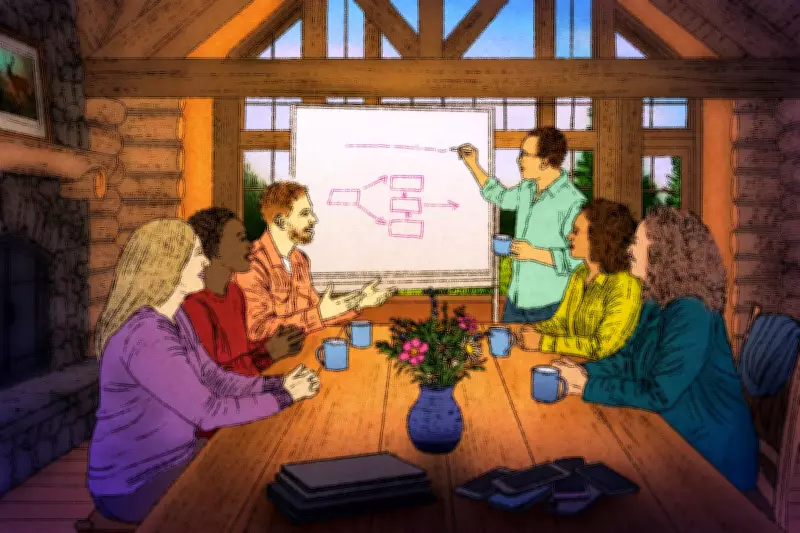
In an era when many companies are mandating a return to the office, Dropbox is proving that remote work can be sustainable and successful. The cloud storage provider adopted a "virtual-first" staffing model in 2020 and has no plans to revert, having met all its financial goals since then, according to Chief People Officer Melanie Rosenwasser.
Why Virtual-First Over Hybrid
Rosenwasser explained that Dropbox explicitly chose not to adopt a hybrid model, which she described as "the worst of all worlds." In a hybrid setup, employees endure long commutes only to sit on video calls because most colleagues are elsewhere. Instead, Dropbox created an even playing field where individual work is done remotely by everyone, but teams gather in person at least quarterly for strategy, connection, and team building.
"Flexibility and agency are the new currencies of modern work," Rosenwasser said. The model has yielded benefits in recruiting, engagement, employee retention, and cost savings.

Asynchronous Work and Core Hours
To make virtual-first work, Dropbox emphasizes asynchronous communication and decision-making, often in writing. The company establishes "core collaboration hours"—four-hour blocks for meetings that overlap by time zone. Outside those hours, employees design their own schedules, allowing for personal preferences like logging off early for family and resuming later.
Meeting hygiene is a priority. Dropbox uses the "three D's" rule: meetings should be for discussing, debating, or deciding. If none apply, a meeting is not needed.
Addressing Burnout and Fragmentation
Remote work blurs personal and professional life, so Dropbox encourages non-linear workdays based on individual preferences. To combat sedentary behavior, the company piloted "Meet & Move," where employees take calls while walking or moving. A companywide initiative tackles meeting fragmentation by batching meetings: Mondays and Wednesdays for one-on-ones, Tuesdays for team meetings, and Fridays for interviews. This restructuring has increased focused time and is being rolled out more broadly.
Building Community Remotely
Recognizing the "relationship tax" of remote work, Dropbox invests in quarterly off-sites with dedicated teams to plan agendas, guest speakers, and logistics. Onboarding includes a buddy and a mentor, and local employees gather weekly or biweekly for subsidized, non-mandatory events like volunteer activities or fireside chats with executives.
Transparency Over Micromanagement
Dropbox leaders had to unlearn the assumption that physical presence equals productivity. Instead, the company sets clear goals and roadmaps visible to everyone. Meetings start with a written document read silently for the first five to ten minutes, fostering clarity. "Clear writing is effectively clear thinking," Rosenwasser noted.
As many companies reverse pandemic-era remote policies, Dropbox remains committed to its virtual-first model, proving that flexibility and intentionality can make remote work a long-term success.






