

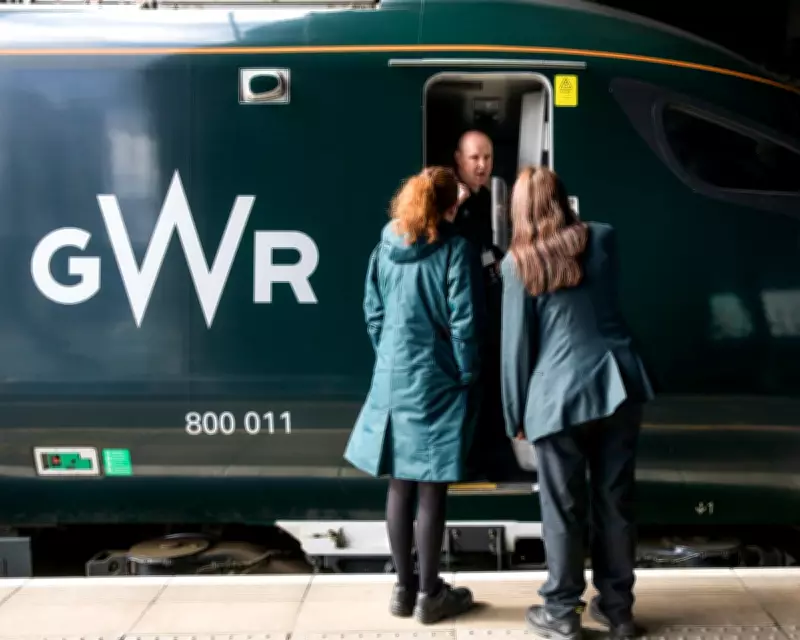
The government has confirmed that Great Western Railway (GWR) will be nationalised on December 13, marking the 11th train operator returned to public ownership since Labour's election in 2024. The operator, which has been privately run for three decades primarily by First Group, will transition to state control as part of the government's flagship renationalisation programme.
Timeline and Context
Upon taking office in 2024, Labour swiftly passed legislation to renationalise all passenger train services when contractually permissible, a process expected to conclude by the end of 2027. The Department for Transport (DfT) announced that GWR's nationalisation date coincides with nationwide timetable changes taking effect on December 13.
GWR's Operations and Recent Upgrades
GWR connects Paddington station in west London to west and south-west England, as well as south Wales, and operates services on lines to Oxford and Hereford. In recent years, the operator has collaborated closely with the DfT to upgrade the mainline and introduce a new fleet of intercity trains.

Other Operators Scheduled for Nationalisation
Govia Thameslink Railway, the largest commuter service encompassing Southern, Thameslink, Gatwick Express, and Great Northern services around London, is due to be nationalised at the end of May. Chiltern Railways will follow in September this year. After GWR's transition, three national rail operators will remain in private hands: Avanti West Coast, CrossCountry, and East Midlands Railway.
Government Statement
A DfT spokesperson said: "This is another significant moment for the government’s flagship public ownership programme and brings a simpler, more reliable network under Great British Railways a step closer. The government is delivering on its commitment to bring services back into public ownership and put passengers, not shareholders, at the heart of our railways."
Integration and Future Structure
Steps have already been taken to integrate the management of nationalised train operators with Network Rail, which oversees track and rail infrastructure. Great British Railways (GBR) will be headquartered in Derby, but most daily rail operations will be devolved to regions, some of which already operate as combined track and train units.
Southeastern was the first operator to have an overall managing director with joint responsibility for track and train, creating a single point of accountability that ministers believe will raise standards, improve performance, and reduce costs. This model has also been established at South Western Railway and in Anglia since the privatisation of Greater Anglia. It remains unclear whether GWR will immediately adopt this structure upon nationalisation in December.






