Brussels officials have begun working on plans for the UK's potential return to the European Union, with two major concessions reportedly on the table. According to officials, Britain could be allowed to keep its own currency instead of joining the euro, and there would be no obligation to join the passport-free Schengen area. These concessions, reported by Politico, would remove two key objections to rejoining by allowing the UK to retain the pound and maintain border controls.
Growing political pressure for rejoining
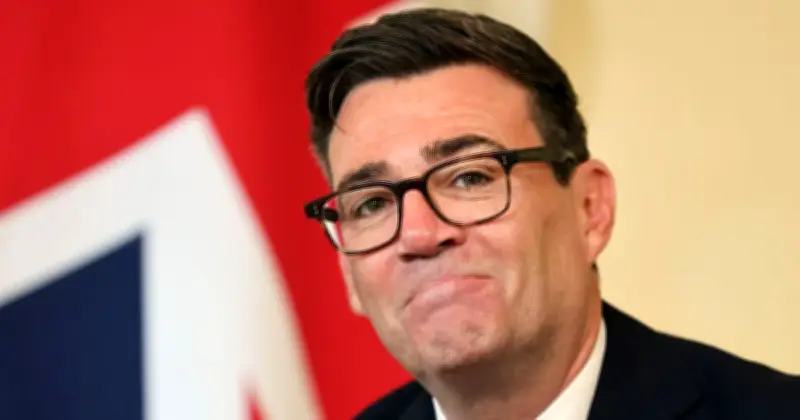
Labour politicians who want to rejoin the EU have become increasingly vocal, with former chancellor Rachel Reeves calling on supporters of a return to "make the argument". Prime Minister Andy Burnham has also said he wants the UK to rejoin in his lifetime, but Conservative leader Kemi Badenoch has criticised the Prime Minister for "reopening this debate".
Mr Burnham is to set out "options" for the UK's future relationship with the EU after a Brussels summit on November 20. These could include rejoining all but name, or simply reversing Brexit entirely. The summit is also expected to confirm new deals on food trade, energy policy and a visa scheme for young people.
Trade and education concessions
In return for new trade concessions, the UK is preparing to spend up to £450 million a year giving EU students a discount on fees at British universities. Most students from EU nations are currently classed as international students and pay higher fees, but the Government is prepared to charge them the same amount as UK students if Brussels agrees to allow British firms access to its Made in Europe industrial programme.
The scheme will require EU governments to ensure up to 70% of components are made in EU nations when they are buying products or subsidising industries, but goods made in the UK are currently excluded, potentially barring British firms from winning lucrative contracts.
Food standards and youth mobility
The summit is also set to confirm that British food products will no longer need to display "not for EU" warnings, which were introduced in 2023. Food and drink manufacturers have said the requirement adds complexity and cost to the manufacturing process. However, a deal is likely to mean that UK food standards have to align with EU rules. While the UK has retained many of the regulations that were in place before Brexit, it has not copied changes introduced since leaving the EU in January 2020. The food and drink industry will need to cope with more than 400 new or modified regulations if the UK comes into line with Brussels laws.
The summit may agree details of a youth mobility scheme following months of negotiations. The EU is pushing for an annual cap of 100,000 people aged 18-30 to be eligible for the scheme while the UK has suggested 50,000, but a compromise of between 75,000 and 80,000 is being discussed. Tougher measures to end small boat crossings in the Channel are also expected, including a commitment to discuss restoring the UK's access to EU databases.
Conservative opposition
Conservative MP Sir Bernard Jenkin has insisted the UK is better off outside the EU. He said: "Since we left the single market in 2021, the UK has grown by 7.9% – against 6.8% in France and 1.1% in Germany. Nobody serious can continue to insist that the UK is doing worse as a result of leaving the EU. In fact, we are doing better – and would do so much better with a pro-business, low-spending, low-borrowing, and low-taxation government."