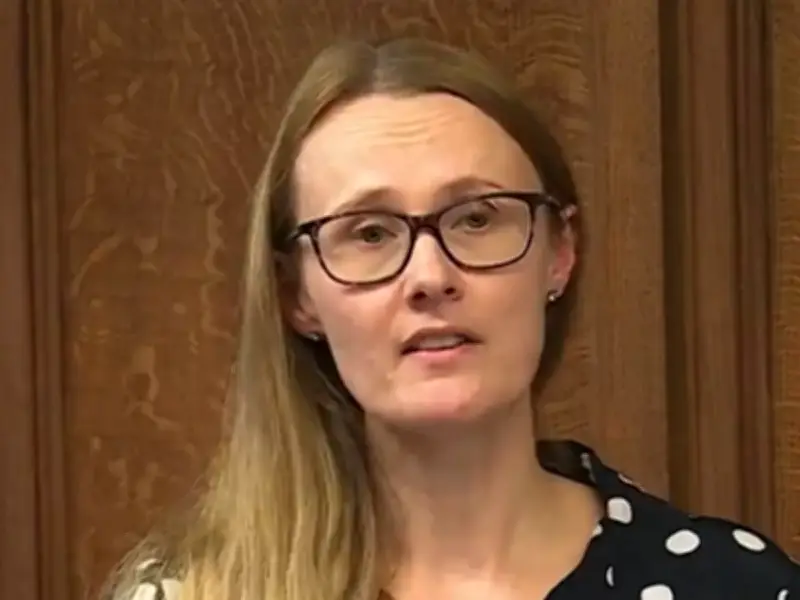
The Department for Work and Pensions (DWP) has clarified that Personal Independence Payment (PIP) claims are not prioritised by the claimant's condition, except under special rules for people nearing the end of life. The update comes after MP Cat Smith asked for an estimate of average waiting times for PIP decisions for people with progressive neurological conditions such as Parkinson's disease, multiple sclerosis and motor neurone disease.
Waiting times and the official response
DWP minister Sir Stephen Timms responded, stating: “Other than for claims made under the special rules for people nearing the end of life, Personal Independence Payment (PIP) does not prioritise claims by the condition or conditions that the claimant may have.” He added that reducing customer journey times for PIP claimants is a priority and that the department always aims to make an award decision as quickly as possible while reviewing all available evidence.
Sir Stephen noted a decrease in PIP clearance times since August 2021, with the latest statistics showing the average end-to-end journey reduced from 26 weeks in August 2021 to 18 weeks at the end of July 2026. However, the comparison is with the period during Covid, when waits were at their longest, according to the government's own figures.
Targets and regional variations
The official target to process most PIP claims had long been 75 days, but the current 18-week average is well above this at 126 days. That 75-day target has recently been increased to 120 days, yet the DWP is still not meeting it. Some claims can be processed more quickly, while others may take longer depending on individual circumstances, and the DWP says claimants missing appointments can contribute to delays.
Regional differences are notable: according to the Benefits and Work website, someone in the south-west of England waits around six weeks for a PIP assessment, while in London the timescale is around 16 weeks. PIP is claimed by around 4.1 million people who are disabled or have long-term physical or mental health conditions, with the most someone could be eligible for being around £194 a week.
Criticism from claimants and MPs
The department defended recent changes at a select committee. Neil Couling, DWP Director General for Services and Fraud, said staff rushing decisions to meet targets had led to errors. He said: “Vulnerable people will need more time. That is what we have allowed for in the target, to try to get the right culture in the Department.”
PIP claimants frequently report long delays. On one page of the Benefits and Work website, people complained of waits of 25 and 30 weeks for an assessment, with some saying they have waited many months for their case to be dealt with. One described the process as a “complete joke”.
The Public Accounts Committee said earlier this year: “It is unacceptable how long some PIP claimants are having to wait for their claims to be processed, which can cause them to get into debt and push them into poverty. The Department does not have an adequate plan to improve this in the short term. The Department aims to process 75% of new PIP claims within 75 working days but, in 2024–25, only 51% of claims were processed within this timeframe. We have constituents who have waited a long time for their claims to be processed, in some cases over a year.”