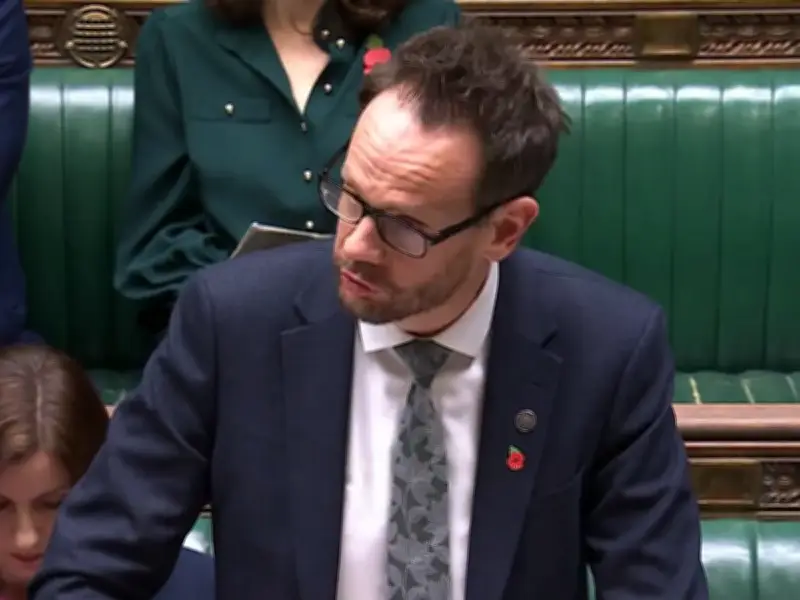
The Department for Transport (DfT) has confirmed there are currently no plans to lower the age of eligibility for free bus travel in England to 60, despite campaigners calling for parity with Scotland, Wales and Northern Ireland.
In a written parliamentary answer, Simon Lightwood, Parliamentary Under-Secretary of State for Transport, said the English National Concessionary Travel Scheme (ENCTS) provides free off-peak bus travel to people with eligible disabilities and those of State Pension age. He added that from 1 April 2027, the off-peak time restrictions on disabled persons' bus passes will be removed.
Campaign for equal treatment
Campaigners have argued that the current system is unfair because the devolved governments in Wales, Scotland and Northern Ireland provide free bus passes for all residents over 60, while in England eligibility is set at state pension age, currently 66.
In England, the government tells councils they must allocate their own funds if they want to introduce the passes, meaning they are only available in limited areas like London and Merseyside due to financial difficulties facing local authorities.
A petition backed by 100,000 people last year called for people over the age of 60 in England to get the same concession as those in Scotland, Wales and Northern Ireland. It triggered a parliamentary debate where poverty in people around that age was highlighted.
Government response
Labour's David Smith asked the Secretary of State for Transport Heidi Alexander whether the Government had any plans to reduce the age of eligibility for concessionary bus travel in England outside London to 60, introduce concessionary bus travel for NHS staff who retire at age 60, and review the disparity between eligibility in England and the other nations of the UK.
In reply, Lightwood said: "There are currently no plans to lower the age of eligibility for the ENCTS, introduce a concession specifically for NHS staff who retire at age 60, or otherwise review the eligibility criteria for the scheme."
He added that local authorities in England may, at their own discretion and using local resources, offer concessions that go beyond their statutory obligations, including lowering the age of eligibility or providing concessions to additional groups of people in their area. The Government provides funding to local authorities, including through the Local Authority Bus Grant, which authorities may use to support local transport priorities, including discretionary concessionary travel schemes where they choose to do so.
Cost considerations
In the debate, Labour's Mohammad Yasin said: "Free bus travel for over-60s would not only provide much-needed financial relief, but help to reduce social isolation, support access to healthcare and enable continued engagement in work, volunteering and community life. It is a small investment that delivers significant social value and improved quality of life for thousands of older residents."
Lightwood responded: "For many people in their early 60s, buses are a lifeline to work, caring, volunteering and staying active in their communities. However, eligibility for an older person's bus pass in England is set in legislation at the state pension age, which is currently 66. That link reflects changes in longevity and helps to ensure that the scheme remains equitable and affordable over time."
He noted that local authority spending on concessionary travel, supported by the Government, is around £795 million a year, and that changing the national statutory eligibility would carry substantial additional recurring costs.
At the end of last year, the Government confirmed long-term investment of more than £3 billion over the next three years to support local leaders and bus operators, including multi-year allocations for local authorities under the local authority bus grant, totalling nearly £700 million a year.