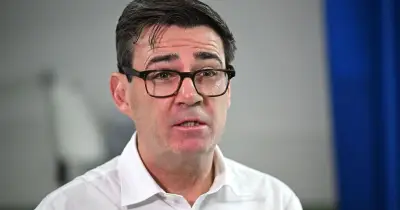
Prime Minister Andy Burnham has said Britain's global standing has diminished in the decade since Brexit, claiming the deal with the EU was not good enough for the country. In a major foreign policy speech, he also expressed belief that a summit with the EU later this week could deliver "real improvements in people's everyday lives in areas of the country that have felt neglected for too long", passing his so-called "Makerfield test".
Criticism of Brexit Deal and Foreign Policy
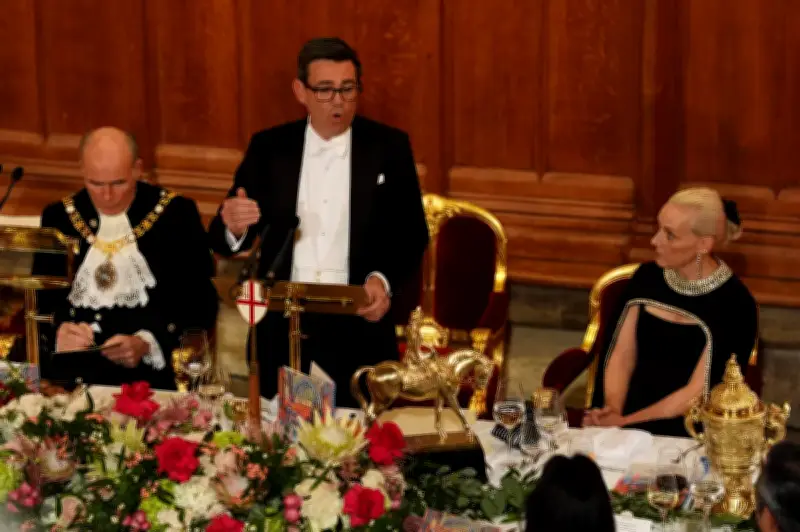
Speaking at the Lord Mayor of London's Banquet, Mr Burnham said: "In the decade since Brexit, our standing in the world has diminished. We treated both allies and institutions with insufficient care, and the effects went beyond Europe." He added that the UK had failed to "invest in the modernisation of the Commonwealth" and "blew hot and cold" in relations with China, before criticising the approach taken to Israel before he became Prime Minister.
He said: "In the Middle East, while Britain rightly condemned Hamas and the appalling attacks of October 7, our response to what followed in Gaza left many questioning our moral compass. We created the impression that the Britain the world thought it knew had changed. It hadn't. The people of this country are still as great and decent as they ever were, but the political turbulence of our times created the impression that we had changed, causing confusion."
EU Summit and the 'Makerfield Test'
Mr Burnham will seek to lock in deals on food, emissions trading and youth mobility at the gathering in Brussels on Friday, November 20. He told the banquet: "I know it would be much easier to say nothing about the EU. That's probably the conventional Westminster view. But if we are going to be serious about growth, then we are going to have to have this conversation. It's like the emperor's new clothes, where no one is prepared to say the obvious truth. Well, I do try to say things as I see them, and to be frank, we have lost more than we have gained in the last 10 years. The hard Brexit we were given is not good enough for Britain."
Ahead of the summit, Mr Burnham set out three tests for any agreements reached with Europe: consistency with the manifesto and red lines, improving the Brexit deal to bring it closer to what people thought they were getting in 2016, and passing the Makerfield test by producing real improvements in neglected areas. He said: "If the deal delivers all of this, and I believe it can, it will easily pass the Makerfield test, and I will agree it."
AI Framework and 10-Year Plan
Elsewhere in the speech, Mr Burnham said he wanted to use the UK's presidency of the G20 next year to negotiate a new international AI safety framework. He said: "With the world-leading AI security institute – and credit to Rishi Sunak for having the foresight to establish it – Britain is well placed to lead the world towards new global guardrails, and that is what we will work towards at next November's leaders' summit: the Manchester Compact on AI." He also confirmed his 10-year plan for government will be published in December, saying: "Our plan for Britain, published next month, will be the circuit breaker, a 10-year roadmap to a resurgent Britain, rewired to put power into every postcode and the good growth that follows, finally delivering the control for which people voted in 2016."
Reactions and Political Context
Supporters of Brexit have in recent days founded two separate campaign groups aimed at keeping Britain out of the EU should Mr Burnham seek to rejoin. Former prime ministers Boris Johnson and Lord Cameron have both cautioned against returning to the bloc. The Times reported that future governments could face having to pay compensation to Brussels should they withdraw from the food deal being considered, a provision dubbed the "Farage clause". Naomi Smith, chief executive of Best for Britain, welcomed the speech, saying: "The Prime Minister delivered a speech that his predecessors failed to find either the honesty or courage to give: Brexit has damaged the lives of the people who voted for it when they most needed help. It has made us poorer and less secure, serving only to boost Putin's agenda. Britain deserves this kind of bold leadership, and as we look forward to Friday's UK-EU summit, both businesses and voters will welcome an end to a decade of lost growth and stolen opportunities. If this is the shape of Andy Burnham's new era of international co-operation, he will find that the British public are right behind him."