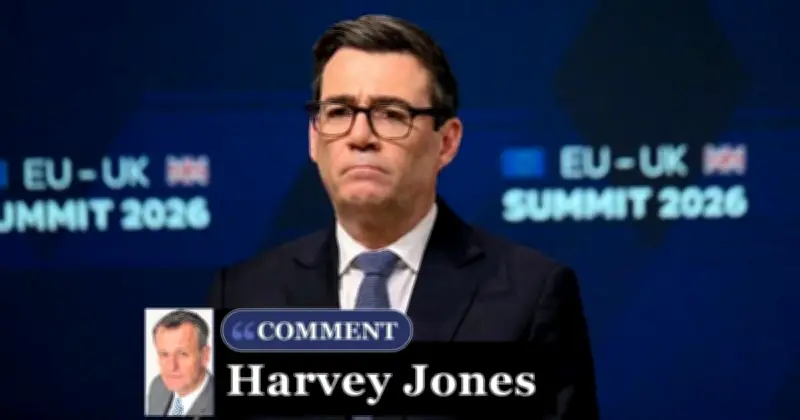
Andy Burnham has signed three deals with the European Union and admitted he could start talks on rejoining the bloc within 12 months, a move that critics warn could split the Labour Party and reignite a divisive national debate.
The Prime Minister's latest step, taken on Friday, marks his boldest push yet for closer EU ties. Foreign Secretary Ed Miliband then went further, saying rejoining the EU would be on the table.
Political Motives Questioned
Burnham presents himself as seeking consensus and an end to anger and division, but the revival of the Brexit debate contradicts that stance. The move appears driven by political calculation, aimed at winning back EU-loving Labour voters who defected to the Green Party and attracting Lib Dem supporters.
With the right split between the Tories, Nigel Farage's Reform and Rupert Lowe's Restore, unifying the left may seem strategically advantageous. However, the Labour Party itself is not unified over Brexit.
Red Wall Concerns
Many in so-called Red Wall seats, working-class strongholds in Northern England, voted to leave the EU and welcomed the outcome. Burnham won power after the Makerfield by-election, where 65% of voters had backed Leave. Those voters may now feel betrayed by efforts to overturn their decision.
The renewed focus on Brexit could push aside pressing domestic issues, including economic growth, youth employment and civil service reform. Any move to rejoin would likely trigger a fresh push to leave again, perpetuating an endless cycle.
Party Divisions Emerge
EU divisions previously tore the Conservative Party apart under Margaret Thatcher, John Major, David Cameron and Theresa May. Burnham now risks bringing similar turmoil to his own party.
Chancellor John Healey, Business Secretary Jonathan Reynolds and Culture Secretary Lisa Nandy have all expressed reservations about reopening Brexit wounds, while others within Labour want to press ahead. The outcome of this internal struggle remains uncertain.