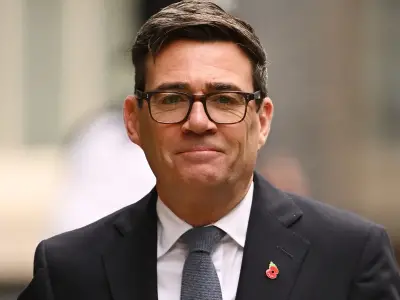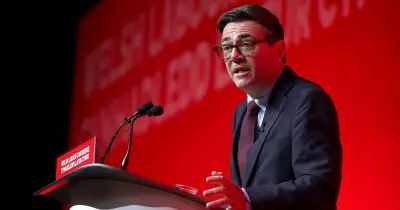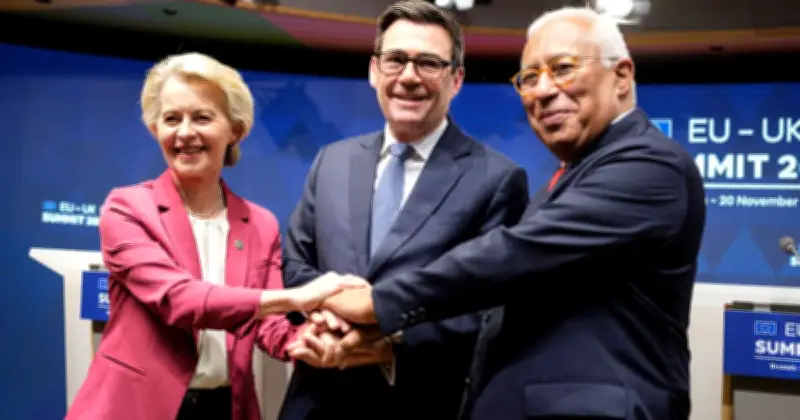
Andy Burnham's ambition to return the UK to the European Union risks a tsunami of fury from Brexiteers who argue it would surrender sovereignty to Brussels, according to an analysis by the Daily Express.
The Labour leader, who made devolution central to his pitch to become prime minister, now appears intent on making Britain a Brussels rule-taker once more. In July, Burnham boasted of plans to “take power out of Westminster and carry it into every postcode in the country”. However, his love of the EU means power may be taken out of Westminster and handed to Brussels.
Devolution Revolution vs EU Alignment
Agreeing to keep in lockstep with EU rules to remove trade barriers would mean the UK abiding by laws it cannot change. Brexiteers argue this is the worst of all worlds: the country would be unable to use freedoms outside the EU to gain a competitive advantage and would have no meaningful control over Brussels-generated red tape.
Burnham's early enthusiasm for empowering British regions was shared by former deputy minister Angela Rayner, who spoke of a “devolution revolution” to “rewire this country” so power is “no longer hoarded in Westminster but is put back in the hands of local people”.
When elected Mayor of Greater Manchester in 2017, Burnham called it the “dawn of a new era” for a county “too London-centric for too long”, vowing to give local leaders the “tools they need to drive the change that communities have been crying out for”.
Brexit Freedoms at Risk
If Brexit goes into reverse, there would be fewer tools to rescue struggling manufacturing industries and revive deprived regions. Currently, the UK is free to issue grants, loans and tax breaks, and can support critical industries without EU approval.
Britain can favour domestic businesses over European rivals and harness billions in public procurement to boost growth and strengthen local supply lines. A future socialist government could scrap VAT on essential goods and introduce wealth and financial transaction taxes. Labour ministers would not face competition directives or EU market rules if pursuing nationalisation, and the EU cannot stop Britain eliminating import tariffs to cut living costs.
Conservatives may be privately relieved that a lack of imagination on the Left has stopped socialists grasping post-Brexit liberties. Some may hope the country returns to the single market before radicals in Burnham's party wake up to the opportunities.
Historic Judgment
Ministers now face the task of creating optimum conditions for Britain to thrive, with responsibility resting with His Majesty's Government. If Britain becomes an EU rule-taker again, historians may conclude life outside the bloc was too daunting for a timid political class that left vast opportunities untapped.
Establishment grandees may again be dispatched as European Commissioners. Burnham's political epitaph could be that he transferred power out of Westminster but, instead of liberating towns and cities from Whitehall's clench, surrendered sovereignty to a creaking superstate.