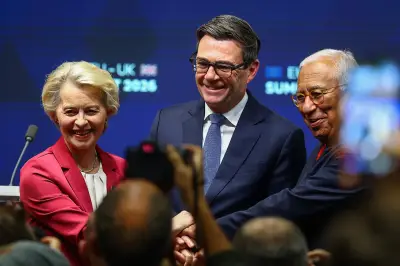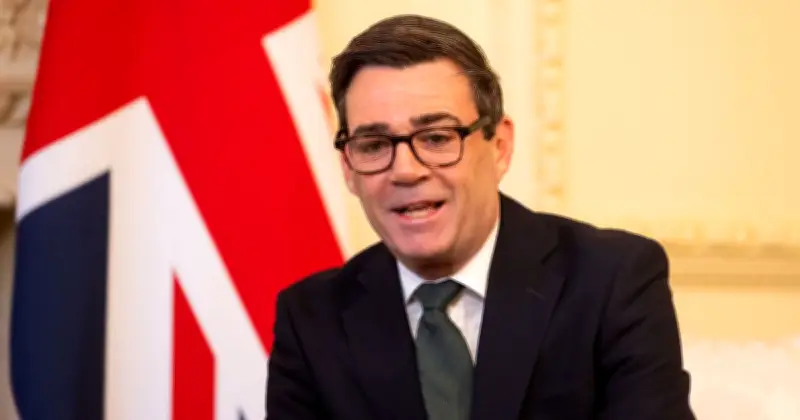
Prime Minister Andy Burnham has introduced new legislation to Parliament that places Brussels back in charge of regulating the UK's food and drink industry, the country's largest manufacturing sector.
The "European Partnerships Bill" stems from the trade agreement reached with the EU last week. It aims to reduce red tape for British food and drink exports to EU countries, but requires the UK to comply with EU rules and regulations.
Farage Clause and Border Check Costs
The Bill includes a provision dubbed the "Farage Clause," which commits the UK to paying the EU millions of pounds if the deal is reversed in the future. Brussels reportedly demanded the clause to deter a future Conservative or Reform government, such as one led by Nigel Farage, from scrapping the agreement.
Under the clause, if either side withdraws within ten years of the deal being signed, they must pay the full cost of reinstating border check infrastructure.
Political Reactions and Trade Details
Nigel Farage claimed Burnham "hasn't got a clue" and was creating a major split in the Labour Party. Speaking to GB News, Farage said: "Burnham is harking back to something from years ago that has changed completely, doesn't work anymore."
He added: "Where we've diverged from the EU. We're booming, and we need to diverge more. We need to have much more freedom, we need to have far less regulation."
The Government said the sanitary and phytosanitary (SPS) deal will cut red tape on food exports and remove the need for "Not for EU" labels on most products. The Bill also links the UK to the EU's emissions trading system (ETS), which ministers say will remove further trade barriers.
Under the deals, the UK will align with EU rules for certain sectors, with the Government noting most British exporters already meet the bloc's standards. Officials said the UK would be "consulted early" on new rules, and Parliament would have scrutiny over changes, but the EU will ultimately make the rules and the UK will not have a vote at EU meetings.
Ministerial and Opposition Views
Hamish Falconer, minister for European relations, said: "For years, British businesses have been forced to follow EU rules without any say, while paying millions in red tape."
He added that the legislation "allows us to eliminate paperwork for our food and drink traders, protect billions of pounds worth of British exports from carbon taxes, and make doing business with our largest trading partner cheaper and easier."
The Government said the deals will "lighten the load on shoppers," expecting businesses to pass on cost savings to consumers. However, the Conservatives argued the deal will have a limited impact on food prices, citing 2023 research suggesting post-Brexit border checks would "not be significant."
Shadow Treasury minister Richard Fuller said Burnham was "asking families to celebrate savings of a few pennies on their weekly shop from his EU 'deal'," adding that new packaging rules could add "up to £1 a week to families' shopping bill."
The Prime Minister also faces questions over whether the deals secured last week, including a youth experience scheme, will go ahead. Negotiations on tuition fees for Europeans studying at UK universities remain ongoing, with Conservative leader Kemi Badenoch suggesting the issue could derail the agreements.
At Prime Minister's Questions on Wednesday, Badenoch said Burnham had provided "no answer on whether the deal is contingent on the tuition fees agreement itself."