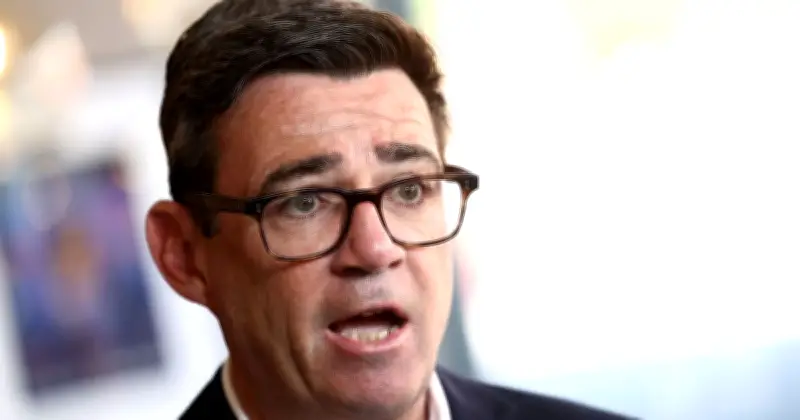
An impact assessment has cast doubt on whether the Prime Minister's new deal with the European Union will actually cut costs for British families, saying any savings depend on whether businesses pass them on to consumers.
The document, published alongside the draft text of the European Partnerships Bill, suggested the agreement "could help reduce the pressure on food price inflation." However, it added: "This depends on whether and how business savings are passed through from producer prices to retail prices."
Deal aimed at cutting red tape
Andy Burnham has insisted his negotiations with the bloc will result in lower prices for Brits. Visiting a Morrisons regional distribution centre in Kent on Monday, the Prime Minister said cutting red tape would lead to cheaper prices for customers.
The sanitary and phytosanitary (SPS) agreement will end most post-Brexit checks and restrictions on food and agricultural products from March 1, 2028.
Mr Burnham said: "We're here at Morrisons, and they have told me that the deal will lift the pressure off the weekly shop. They've just shown me a stack of paperwork which they have to fill in when they export from here to their store in Gibraltar.
"If you remove that paperwork, that red tape, you can lower the cost, and they say it will lower the pressure on the weekly shop. This deal is not about re-joining. That's not what's on the table here. It's just a better, practical working relationship with the European Union."
Farage clause and parliamentary vote
The deal also includes a so-called "Farage clause," which stipulates that if either side pulls out of the agreement within a decade, they will have to pay to re-instate border infrastructure that the pact is designed to get rid of.
MPs will be given a say on Mr Burnham's deal for the first time next month. A debate on the draft legislation to implement the deal will be held in the House of Commons on December 7, with a vote expected to follow, the Press Association reports.
The European Partnership Bill was formally introduced to Parliament on Thursday.