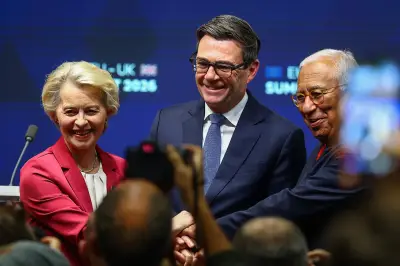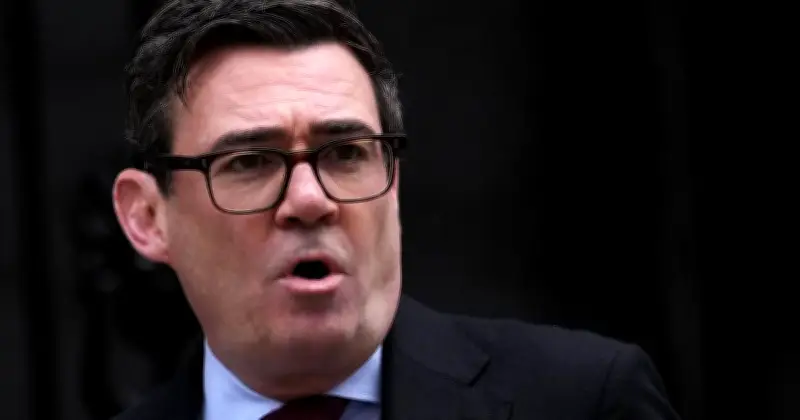
Andy Burnham's plan to strengthen ties with the European Union could effectively reopen the door to all but free movement, according to a migration expert. The Prime Minister's recent agreement with the bloc marks the most significant step towards the EU since Brexit.
Mr Burnham hailed the deal, which covers food and agriculture exports, emissions trading and a youth experience scheme, as a "good day for Britain and a good day for Europe". He also committed to a "structured dialogue" on migration and closer cooperation on the Channel action plan to combat people trafficking operations behind small boat arrivals.
Expert warns EU will 'come out on top'
Alp Mehmet, former diplomat and chairman of Migration Watch UK, warned that the EU would "invariably come out on top" in any negotiations and urged the Prime Minister to "leave well alone".
Mr Mehmet told the Express: "We are never going to get the sort of deal that works in our interest in the long run. From a migration stance, what has been said so far gives every indication that we are going to loosen controls and effectively open up to all but free movement."
Youth scheme and tuition fees under scrutiny
The youth experience scheme could open the doors for 100,000 young Europeans to temporarily work in the UK, with Britons able to do the same on the continent. Negotiations on tuition fees for Europeans attending UK universities are also ongoing, with a six-month deadline set to reach agreement after EU members called for their students to be charged the same rate as British counterparts.
This would mean a cut from fees of up to £38,000 a year to £9,970, something the UK has resisted because of the financial impact it would have on universities. Mr Mehmet said: "I don't think we're going to accept EU students paying the same as domestic students, I don't think it will be that. But it will certainly be a lot less than is being paid now. And the question is, with that lower tuition fee payment, who is going to foot the bill for it?"
Outcome 'in the hands of the Commission'
He added that while the negotiations would involve "a lot of bargaining and a lot of pressing", the outcome was "really in the hands of the Commission". He said: "With all these uncertainties, and given past performance, my feeling is that we're going to end up taking as many people as want to come.
"And even though the proposals suggest this won't include dependents, who is going to be the arbiter on that? Will it be the EU or will it be us? I suspect they will say, 'No, this is the agreement and I'm afraid we've got to have the final say'."
Mr Burnham has claimed the EU deal will add up to £17billion a year to the British economy. He also pledged to spend the next 12 months "brainstorming" ideas for the future relationship between the UK and the bloc.
While Labour has committed to abide by its manifesto red lines, which ruled out a return to free movement, the single market or the customs union, speculation about the UK-EU relationship has restarted conversations about a second Brexit referendum. Mr Burnham described the deal as "probably the limit of what we can achieve this Parliament", but referenced further "decisions about that long-term relationship" following a general election.
European Commission president Ursula von der Leyen also said the summit was a "turning point" for the EU-UK relationship, adding that the bloc is "open for brainstorming". MPs will be given a say on the Prime Minister's EU deal next month, with a debate on the European Partnership Bill to be held in the Commons on December 7, with a vote expected to follow.