Broadcasters are failing voters by relying excessively on vox pop interviews and not adequately challenging political claims during election campaigns, according to a new study from Cardiff University.
Study findings on election coverage
The research analysed how the 2026 national elections in Wales and Scotland, along with local elections in England, were reported on UK-wide television news between 2 March and 6 May. The report, authored by Stephen Cushion, Keighley Perkins and Maxwell Modell from the School of Journalism, Media and Culture, found that strict impartiality rules directly undermined the media's ability to thoroughly examine political pledges.
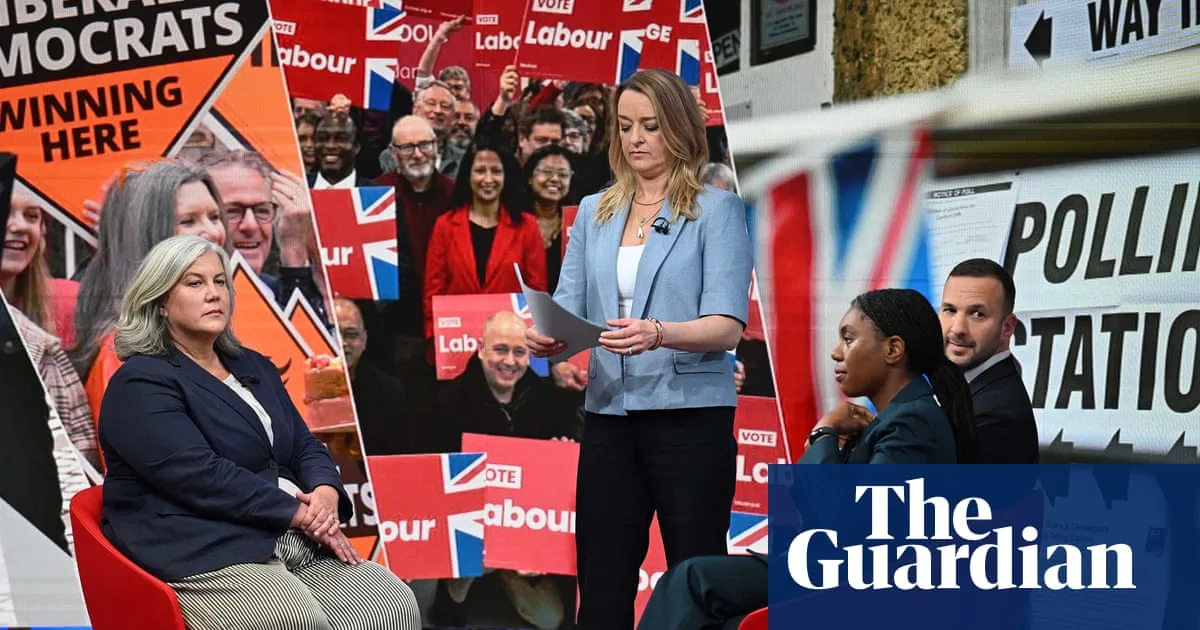
For the first time, the BBC's election guidelines classified Labour, Conservatives, Reform, the Liberal Democrats, the Greens, Plaid Cymru and the SNP as 'major parties', meaning they all broadly received similar levels of coverage. The researchers discovered that 'large chunks of airtime were dedicated to vox pops', which appeared in 26.3% of all Welsh television news items covering the election, at the expense of actual policy or political claims.
Critique of due impartiality rules
Cushion, who led the project, stated: 'In an age of multiparty politics, our new research raises serious questions about whether the UK's current due impartiality rules are fit for purpose during an election campaign period. This does not mean impartiality should be abandoned in a Fox News-style way, but the rules need to be rethought to give broadcasters the flexibility to provide greater scrutiny in day-to-day news reporting.' He added: 'The public expect broadcasters not only to cover political parties during a campaign, but to scrutinise their promises and challenge false or misleading claims.'
The authors argued that because election rules require broadcasters to provide roughly equivalent coverage of parties, the media's ability to 'interrogate specific policies in-depth' was severely restricted. While broadcasters successfully gave the six main parties relatively balanced visibility across TV and digital platforms, the report concluded that 'the breadth of coverage limited sustained scrutiny of party claims, policies or campaign messages'.
By prioritising breadth over depth, the report said, 'coverage did not consistently interrogate the depth or credibility of competing claims'. As a result, 'over 70% of claims by politicians on TV news received no or limited scrutiny'. In television news items focusing specifically on party policy, candidate interviews or political claims, 49% featured zero scrutiny, 22% offered only brief scrutiny and just 29% provided substantial scrutiny.
Focus on 'horse race' rather than policy
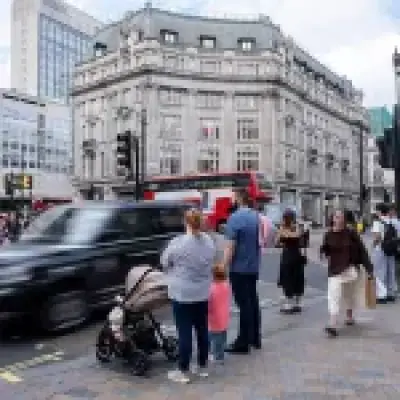
Instead of substantive policy debate, a significant proportion of coverage focused on the 'horse race' elements of the election, such as campaign events, party competition, public opinion and electoral process. The study also revealed that this lack of rigorous political interrogation was compounded by a heavy reliance on vox pop interviews with the general public. The report stressed that ordinary citizens' voices were featured 'far more than the perspectives of political candidates', with 164 individual vox pops broadcast in total.
While the researchers acknowledged the value of understanding voters' real-life anxieties, they argued that relying on vox pops 'on this scale, they took up valuable airtime at the expense of policy coverage, scrutiny of political claims and explanation of the workings of the Welsh political system'. Furthermore, the report said the short format of these interviews made them a 'relatively blunt tool'. They were highly effective at capturing general 'snapshots of opinion' and recurring political apathy, but were 'less able to explain the deeper reasons behind their views'.
Despite these interviews frequently highlighting voter apathy and an intention not to vote, the researchers noted the vox pops 'did not appear to accurately capture the level of interest and engagement with the campaign', which ultimately had a record 52% turnout – the highest ever for a devolved Welsh election.
Scope and responses
The study looked at flagship UK bulletins – the BBC News at Ten, ITV News at Ten and Channel 4 News – as well as key evening bulletins in Wales: BBC Wales Today and ITV Wales at Six. It did not examine ITV Evening News, which typically broadcasts at 6.30pm for an hour. ITN believes the report undervalues its total output by focusing solely on News at Ten. ITV broadcasts nearly two hours of daily national news alongside regional programming. ITV Evening News reaches double the audience of News at Ten and includes political insight. The programme featured a series of segments looking at vital national issues, such as transport and health in Wales, rural poverty, oil and the ferries scandal in Scotland. ITV News also provides supplementary digital content, including voting explainers and social media interviews with political leaders. The BBC declined to comment.