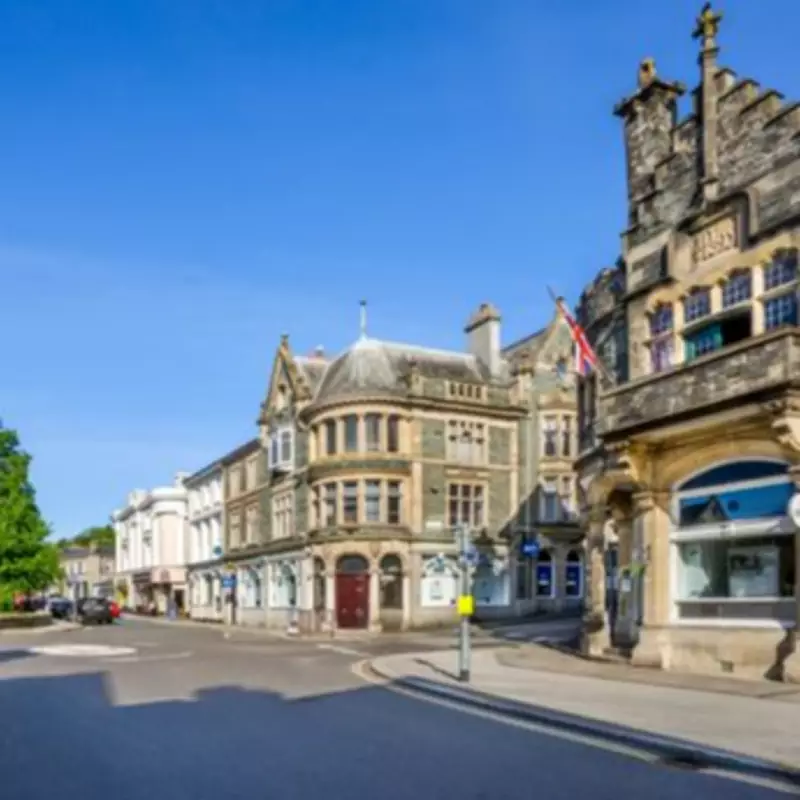
Tavistock: The Town That Said No to Corporate Giants
In the heart of Devon, the market town of Tavistock has carved out a unique reputation as Britain's 'angriest town', a moniker born not from hostility but from a fierce determination to preserve its character. This nickname stems from a series of high-profile campaigns where locals rallied to block major corporate chains, safeguarding their independent retailers and historical heritage from what they perceived as homogenising forces.
The Battles That Defined a Community
The town's defiant spirit first captured national attention in the early 2000s when residents successfully ousted a McDonald's branch, arguing that the fast-food giant's presence clashed with Tavistock's unique charm and traditional atmosphere. This victory set a precedent for community action.
In 2019, the nickname was reignited as Tavistock residents spearheaded another fervent and ultimately victorious campaign. They mobilised to halt the construction of a Premier Inn hotel on a central car park site, fearing it would threaten local bed and breakfasts and independent businesses that form the backbone of the town's economy. These concerted efforts have cemented the town's image as a bastion of grassroots resistance.

Social Media Spotlight and Local Contradictions
The 'angriest town' tag has been amplified in the digital age, particularly by social media influencers like Phil Carr, who commands over 73,000 followers on Instagram. In a tongue-in-cheek reel about Tavistock, Carr noted the apparent contradiction: despite the town's famed disdain for large corporations, it hosts well-known brands like Tesco, Boots, Wetherspoons, and Lidl.
"God knows where McDonald's and Premier Inn went wrong," he quipped, playfully labelling townsfolk "hypocrites" while acknowledging their successful activism. His post, which garnered over 15,000 likes, sparked a lively discussion among followers, with many praising the community's ability to protest and achieve its goals.
Beyond the Protests: Tavistock's Charms
Amidst the campaigning, Tavistock offers serene attractions that draw visitors. During his visit, Carr found the Tavistock Museum closed but explored The Viaduct Walk, a picturesque trail tracing part of the abandoned London and South West Railway line, shut down in 1968. This walk forms part of Drake's Trail, a 21-mile route linking Tavistock to Plymouth, and is celebrated for its sweeping views across the town's rooftops, the historic Abbey, and the distant tors of Dartmoor.
Carr described it as Tavistock's "main attraction," suggesting that while other towns might see it as merely a disused railway, for Tavistock, it represents a cherished asset. This blend of natural beauty and historical significance underscores the values residents fight to protect.
Community Voices and Lasting Legacy
The online response to Carr's post highlighted diverse perspectives on Tavistock. One commenter reminisced, "I used to love the Maccies in Tavistock as it was closer than Plymouth," while another applauded, "You know what? It's nice that they can protest and get what they want. Good job Devon." Others praised the town's amenities, calling it a "lovely town" with a brilliant market and declaring it their "favourite place to visit."
Ultimately, Tavistock's story is one of community empowerment and cultural preservation. By standing firm against corporate encroachment, this Devon town has not only protected its independent spirit but also inspired a broader conversation about balancing development with heritage in modern Britain.