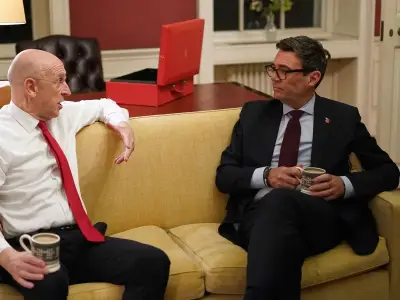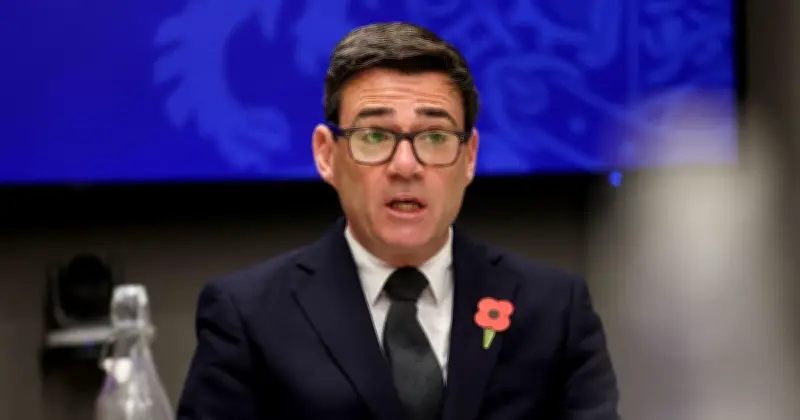
Labour's welfare policy is in disarray, with ministers giving conflicting signals on benefit cuts and the Prime Minister's official spokesman saying a policy paper will only be published in 2027. The confusion highlights Andy Burnham's reluctance to cut working-age benefits while he moves to end the state pension triple lock.
The Government is seeking to reduce the soaring cost of benefits, which is projected to reach £431 billion by 2031-32 unless action is taken. Chancellor John Healey told the BBC he hoped to get the benefits bill down before the next election, then appeared to say that would not be possible. Defence Secretary Wes Streeting then said the cost of benefits could fall after all.
Fear of Labour rebellion
One factor behind the chaos is Mr Burnham's fear of provoking Labour MPs who oppose meaningful cuts to benefits for people who do not work. When Keir Starmer's government attempted such cuts in 2025, a rebellion by backbench Labour MPs forced a major u-turn and contributed to the sense that Sir Keir was not capable of running the country.
The £431 billion figure includes spending on pensioners. Mr Burnham announced at his party conference that he was ending the state pension triple lock in its present form to save money, but cuts to working-age benefits have to be hidden behind reviews and consultations to make it harder to pin the blame on the Prime Minister.
Election speculation adds to confusion
The other factor is intense speculation over when a general election will be held. Mr Burnham is committed to policies he can only carry out after an election, including watering down the triple lock, a new relationship with the EU, expensive changes to social care, and changing the voting system. He is currently bound by Labour's 2024 election manifesto, which prevents him pressing ahead with many of his big ideas.
Number 10 is thrown into a panic by questions about whether the benefits bill will fall before the next election, as officials want to avoid talking about polling day. The speculation suggests a general election could come in 2027, in which the Prime Minister would ask the nation for a mandate for policies such as a national care service funded by a new tax, a referendum on proportional representation, re-joining the EU in all but name, ending the triple lock, and cuts to working-age benefits.