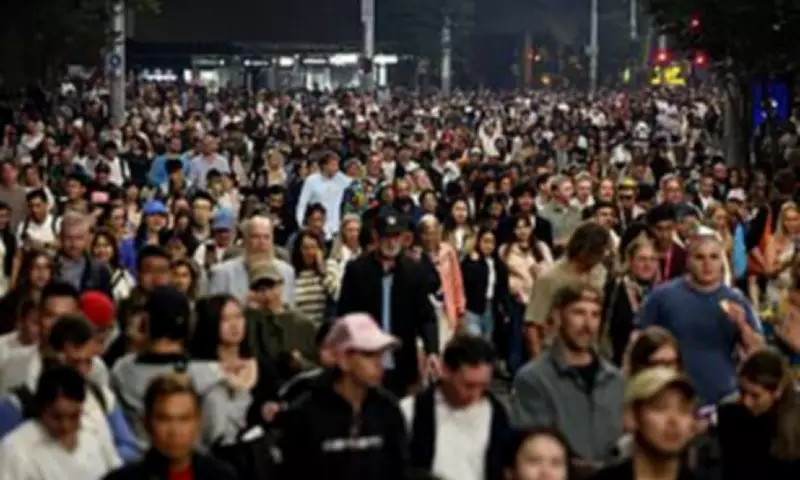
Australia is preparing for a significant population increase, with new budget figures indicating nearly 765,000 permanent migrants will arrive over the next three years, despite repeated government pledges to reduce numbers.
Migration Projections
Fresh projections released in the Budget on Tuesday show the government expects 295,000 arrivals in the current financial year, followed by 245,000 in 2026/27 and 225,000 in 2027/28. While the drop to 225,000 signals a return to levels seen under the former Coalition government, the overall intake remains high. Since Labor came to power, total migration is on track to exceed 2 million people before the next election, due in 2028.
Post-Pandemic Spike
The figures come after Australia recorded a record-breaking 518,000 migrants in 2022/23, a post-pandemic spike that triggered widespread concern about housing shortages and infrastructure strain. Although the government has moved to reduce numbers from those historic highs, the latest forecasts confirm Australia will continue to run one of the strongest migration programs in its history. The figures exclude temporary migrants, including international students and short-term visa holders, a cohort that has also surged in recent years and placed additional pressure on rental markets.

Government Measures
The Albanese government has attempted to tighten the system in response. Authorities have cracked down on student visas, introduced stricter eligibility rules, and ramped up scrutiny of applications to curb abuse while protecting key industries that rely on overseas workers.
Housing Challenges
But the population boom is colliding head-on with another major challenge: housing. Despite ambitious promises to boost supply, construction is struggling to keep pace with demand. Since the Albanese Government took office, Australia has delivered an estimated 500,000 to 615,000 homes. At the same time, Labor has set a target of building 1.2 million homes by 2029, including 40,000 under the Housing Australia Future Fund (HAFF). The government is set to miss the target, with Australia currently running around 160,000 to 260,000 homes behind, with construction running at least 60,000 homes per year below the required pace.
Infrastructure Investment
In the budget, the government is set to spend $2 billion to build the infrastructure to support homes, including sewerage, electricity, and roads, which they say will lead to an increase of 65,000 new dwellings. This move is similar to a Coalition proposal at the 2025 election, which proposed a higher spend of $5 billion. The government is also cutting red tape, which they say will simplify the approval process and speed up construction. Over two million people are set to arrive in Australia since Labor was elected, by 2028.