
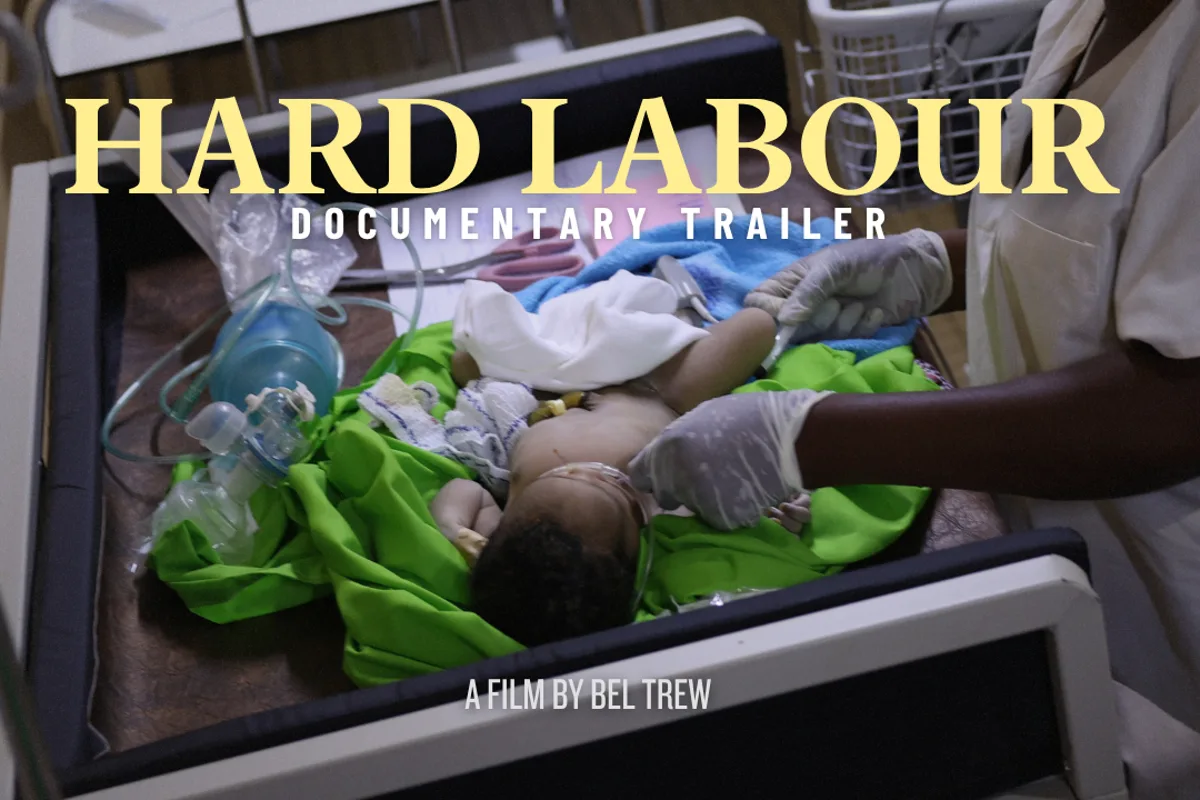
Hard-won successes in reducing maternal and newborn deaths are being undone by recent foreign aid cuts, with the trend reversing in some countries, according to new data. The global maternal mortality rate had fallen by 40 per cent over the past two decades, but the World Health Organisation (WHO) reports that progress has slowed, and cuts by the US, UK, and others are now reversing gains.
Global aid fell by 23 per cent in 2025 compared to 2024, driven largely by a 57 per cent reduction in US foreign assistance under Donald Trump, and is projected to drop a further 5.8 per cent in 2026. The impact is acute in Africa, particularly in the Central African Republic, which has the second-highest neonatal death rate globally. Along the border with war-torn Sudan, aid cuts have led to midwife layoffs, closure of mobile maternal clinics, and medicine shortages, despite a refugee influx increasing need.
Busayna, a 25-year-old Sudanese refugee who fled Darfur after militants killed her husband, nearly died giving birth to her fifth child. She had no money or food and walked to a clinic while in labour. Her cousin died in hospital after an emergency operation, unable to afford medicine or blood. Dr Ngonzo Lezin, head of the hospital where Busayna delivered, said 12 staff members were lost to funding cuts, including all midwives. He called the situation a catastrophe, warning of rising maternal and child deaths.
The WHO reports the average annual decline in maternal mortality slowed to 1.5 per cent between 2013 and 2023, from 2.6 per cent between 2000 and 2010. The current global rate is 197 deaths per 100,000 live births, far above the UN's 2030 target of below 70. A study in The Lancet projects 23 million extra deaths worldwide by 2030 due to aid cuts, while another study estimates maternal deaths could rise by 45 per cent in six West African countries, with 1,000 additional deaths per 100,000 live births annually.




