Venezuela's Ruling Party Faces Internal Rifts Under Delcy Rodríguez
Venezuela's Ruling Party Faces Internal Rifts

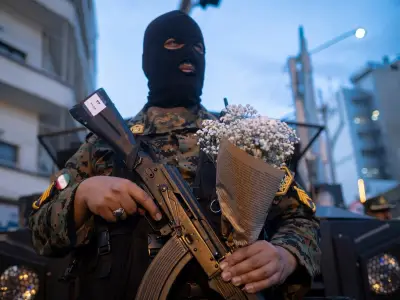
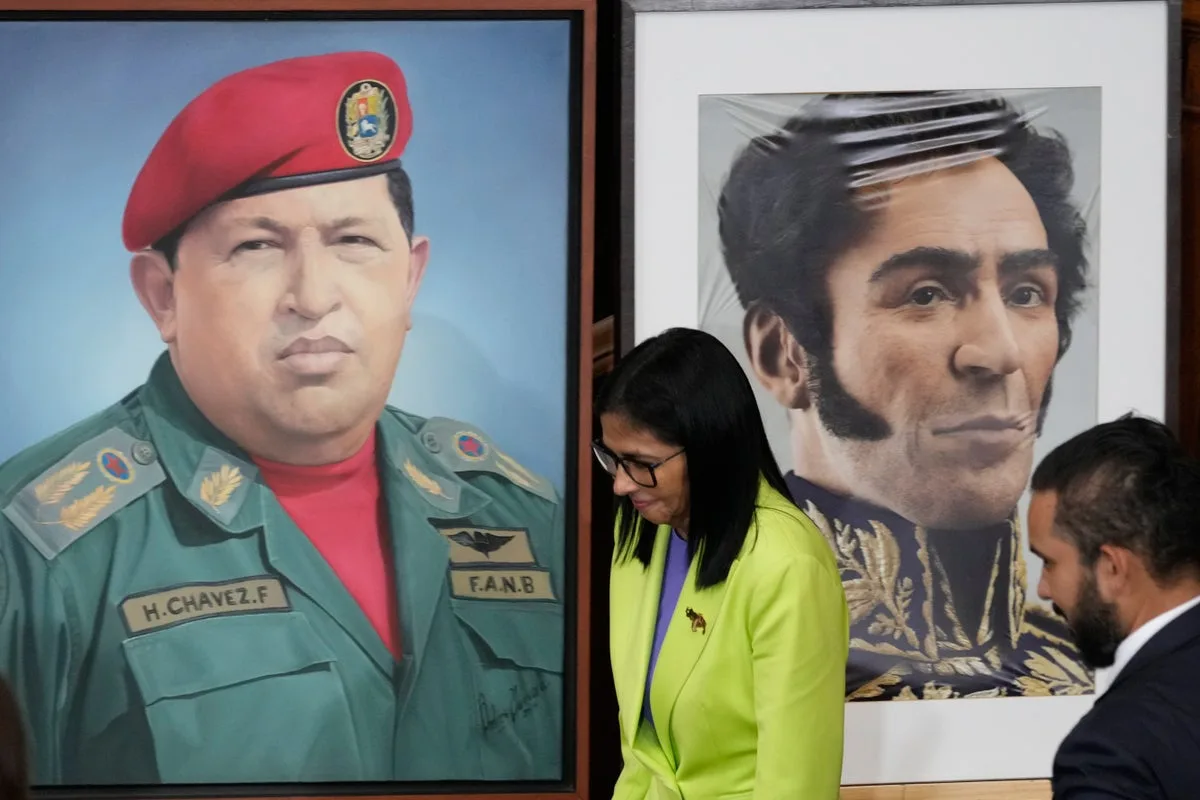
Venezuela's ruling party is facing internal divisions after 27 years of unity, as acting President Delcy Rodríguez shifts away from Chávez-era policies, prompting criticism from longtime loyalists. The slogan "United, we will win!" has long encapsulated the ability of Hugo Chávez's fiercely nationalistic revolution to stay in power. However, cracks have emerged following the stunning U.S. military operation that captured then-President Nicolás Maduro in January.

Divisions Over US Relations

Rodríguez has done away with some of Chávez's policies, complied with U.S. demands, and shuffled the government to her liking. She has removed ministers, pushed legislation to overhaul the oil industry, and released political prisoners. Many supporters of Chavismo criticize the warming relationship between Rodríguez's government and the White House, historically seen as the main adversary.

May's deportation of former minister Alex Saab to face criminal investigations in the U.S. and Rodríguez's authorization for a U.S. military training exercise in Caracas laid bare internal divisions. Mario Silva, a former state TV host, questioned the legality of Saab's deportation and argued that Rodríguez is not governing freely, as some decisions "are being made in the U.S. Embassy."

Wide Pickt banner — collaborative shopping lists app for Telegram, phone mockup with grocery list

Protests and Criticism

On May 23, a few dozen people in Caracas protested the U.S. training exercise, holding a Venezuelan flag with the message "No to the Yankee drill." Participation was minimal, contrasting with past demonstrations with thousands. Elías Jaua, a former vice president under Chávez, repudiated the exercise on social media, calling it "humiliating." He told the Associated Press he was speaking up to prevent normalization of what he called an "occupation."

Power Struggle After Maduro's Ouster

The social, political, and economic crisis that began when Maduro became president in 2013 drove over 7.7 million people to leave Venezuela and pushed millions into poverty. The ruling party survived rounds of anti-government protests and U.S. economic sanctions. Party stalwarts celebrated Maduro's disputed 2024 election victory and echoed the party's denial of a migration surge, often rewarded with food, contracts, or bodyguards.

Andrés Izarra, a former minister under Chávez and Maduro, said the fractures are not ideological but a struggle for power, money, and survival. "Since there is no ideological foundation, it is simply a struggle for power," he said. "If they had an ideological interest, they would have spoken much earlier."

Talk of Betrayal

Criticism even aired on state television last month, when a Colombian leftist leader questioned Venezuela's efforts to free Maduro and first lady Cilia Flores from U.S. custody. Another devout Chavista, lawmaker Iris Varela, told a podcaster she believed a government insider helped the U.S. oust Maduro. "Of course there's a betrayal," Varela said. "I say that every Christ has a Judas."

Pickt after-article banner — collaborative shopping lists app with family illustration