On this day 45 years ago, Chancellor Geoffrey Howe wrote to Prime Minister Margaret Thatcher, suggesting that Liverpool's 'managed decline' should not be forgotten. The words, now infamous, have haunted the city's memory, but new insights reveal a more complex history.
The letter and its context
The letter, dated August 11, 1981, warned against sowing 'brighter ideas' on 'stony ground' by the Mersey and advised not to 'make water flow uphill'. It came amid the aftermath of the Toxteth riots and mass unemployment following the decline of the docks, a time of great hardship that led Liverpool's Militant-led council to clash with the Thatcher government.
Heseltine's account
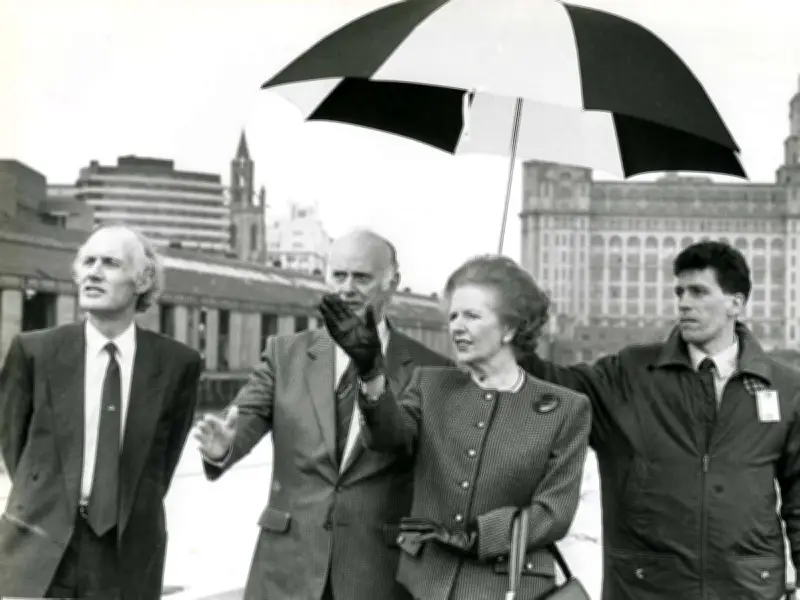
Lord Michael Heseltine, the 'Minister for Merseyside', insists Thatcher did not accept Howe's suggestion. He told the ECHO that Thatcher supported his regeneration plans, including the Albert Dock and Garden Festival, against the Treasury's opposition. 'Margaret knew exactly what I was doing,' he said. 'She is entitled to credit for that decision. I could not have done it without her.'
A legacy of indifference
Professor Jonathan Tonge of the University of Liverpool acknowledges Thatcher rejected the 'managed decline' policy but argues her wider policies showed indifference. 'Having garden festivals isn't going to solve a city's chronic unemployment problem,' he said. He noted that while she allowed Heseltine to act, she did not engage in interventionism to rescue the situation, leaving a 'sort of economic shrug of the shoulders.'
The nadir came in 1989 when Thatcher's government supported South Yorkshire Police's false narrative about Hillsborough, contributing to the unlawful deaths of 97 fans. Professor Tonge added that this added to her 'legacy of toxicity', as she 'simply backed the police instead of studying the accounts in detail.' He concluded that Thatcher 'presided over the city's worst times' and her policies produced 'Liverpool's worst crisis of the 20th Century.'