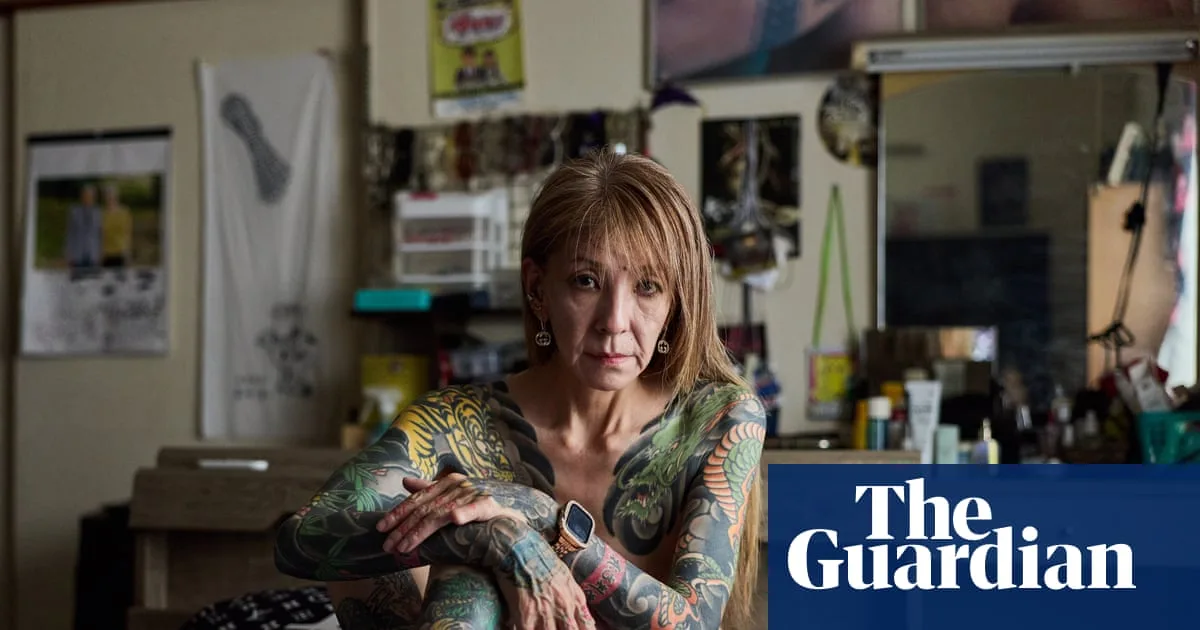
Mako Nishimura, now 59, is perhaps the only woman to have been a full-fledged yakuza, a member of Japan's feared criminal underworld. Standing at just 5 feet tall, she never lost a fight in nearly 40 years. Her journey from a rebellious teenager to a yakuza member and finally to a charity worker seeking redemption is a remarkable tale of violence, addiction, and decline.
Early Life and Entry into the Yakuza
Nishimura's troubled childhood was marked by a harsh father who beat his children for any misstep. At 14, she joined a group of delinquents, bleaching her hair and cutting class. After her father shaved her head in anger, she became a habitual runaway. She renamed herself Mako, meaning "the devil's child," and began getting tattoos. At 17, after juvenile detention for drug possession, she joined a biker gang called the Worst.
In 1986, when Nishimura was 19, she defended a pregnant friend from five attackers with a baseball bat, injuring them severely. Impressed by her violence, a local yakuza boss, Ryochi Sugino, recruited her. She performed the sakazuki ritual, formalising her entry into the Inagawa-kai syndicate. She was proud to be a yakuza, embracing the code of protecting the weak and fighting the strong.
Life as a Yakuza
Nishimura ran sex workers and dealt methamphetamine, bringing in significant profits. She extorted businesses and invested in slot machines. However, her drug addiction worsened. When her boss discovered the gang's drug problem, she had to apologise by slicing off her little finger—a yakuza tradition. She performed the amputation calmly, and later even did it for other members for a fee.
In 1990, after a prison sentence for drug possession, she was released to a yakuza guard of honour. But she resumed meth use, leading to paranoia and hallucinations. The yakuza's golden era was ending. Japan's economic bubble burst, and anti-yakuza laws in 1992 curtailed their activities. Membership plummeted from over 184,000 in the 1960s to around 90,000 by the mid-1990s.
Motherhood and Decline
In 1995, Nishimura became pregnant by a rival gang member. She quit meth and tried to leave the yakuza, but struggled to find legitimate work due to her tattoos and missing finger. She returned to crime, dealing meth again. After a second son, she overdosed on tranquillisers in 2014. Her partner won custody of their sons, and her mother stopped visiting.
By then, the yakuza were in steep decline. New laws blocked them from financial transactions, and they couldn't open bank accounts or register SIM cards. Foreign gangs from China, Vietnam, and Russia took over drug and sex markets. The yakuza resorted to low-level scams, betraying their code.
Redemption and Reunion
In 2020, Nishimura met Satoru Takegaki, a former yakuza who founded Gojinkai, an NGO helping ex-gangsters reintegrate. She opened a branch in Gifu, assisting former members with housing and drug rehab. She also reconnected with her mother, Hiroko, and younger brother after decades of estrangement. In 2025, they met for the first time in over 20 years, sharing tears and apologies.
Nishimura's older son, now a champion kickboxer, meets her occasionally, but her younger son is not yet ready. She finds solace in helping others and hopes to fully reunite her family. "I've realised how important family is," she says. Her story is a testament to the fading power of the yakuza and the possibility of change.