

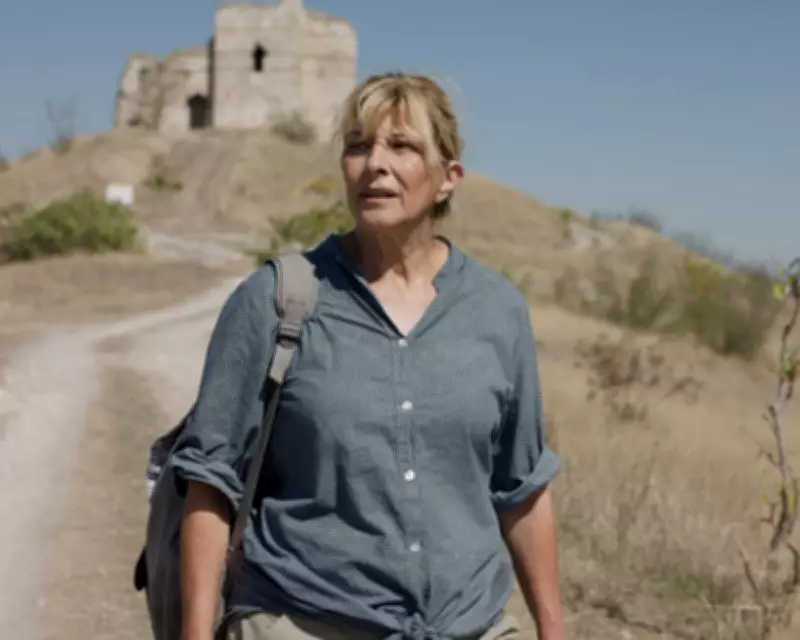
Valeska Grisebach's new drama The Dreamed Adventure is a complex, subtle, and opaque film that delves into the digging up of the past and the hiding of secrets in the present. Set in Bulgaria's remote and beautiful mountainous region, much like her previous film Western, the narrative explores the lingering memories of the Balkan wars and the communist era, where ruthless individuals can exploit resources for profit.
Nonprofessional Cast and Ambient Detail
Grisebach employs nonprofessional actors for many scenes, capturing the easy, garrulous energy of people gathered around tables, reminiscing and drinking. These scenes feel natural and unforced, though the film's reluctance to adhere to conventional narrative templates may leave some viewers searching for deeper meaning. While the story follows Chekhov's rule about a gun introduced in act one (or act two here), the climax avoids typical arthouse violence, yet the overall meaning remains elusive.
Plot Overview
The protagonist, Veska (Yana Radeva), is an archaeologist leading a dig in Matochina, southeastern Bulgaria. She unexpectedly encounters an old friend, Saïd (Syuleyman Alilov Letifov), who is involved in shady business deals. Saïd has returned to the area after decades to purchase stolen diesel fuel from a local villain known as Raven. He declines an offer to participate in a human trafficking network, a growing criminal enterprise in the region.

Saïd's presence stirs resentment among locals who remember his past theft of a cigarette shipment, in which Veska was implicated before becoming an archaeologist. Additionally, Saïd was once associated with a gang boss named Illya, who now wants to build a road on Veska's archaeological site. Saïd's old car is stolen, possibly for trafficking or as a warning, and he disappears temporarily without explanation. In his absence, Veska sells the contraband diesel, though the details are left off-screen. Despite her grandmotherly demeanor, Veska is tough and decides to confront Illya about his violent trafficking business, which has threatened a teenage girl working on her dig.
Incidental Details and Setting
The film's appeal lies not in its plot but in its incidental details: the ruggedly beautiful countryside, stately communist-era restaurants and hotels, and a parade of characters, including a group of Polish women working in a nearby solar-panel factory. These authentic elements showcase Grisebach's fluent, distinctive filmmaking language, though the ultimate message remains elusive.
The Dreamed Adventure screened at the Cannes film festival.






