

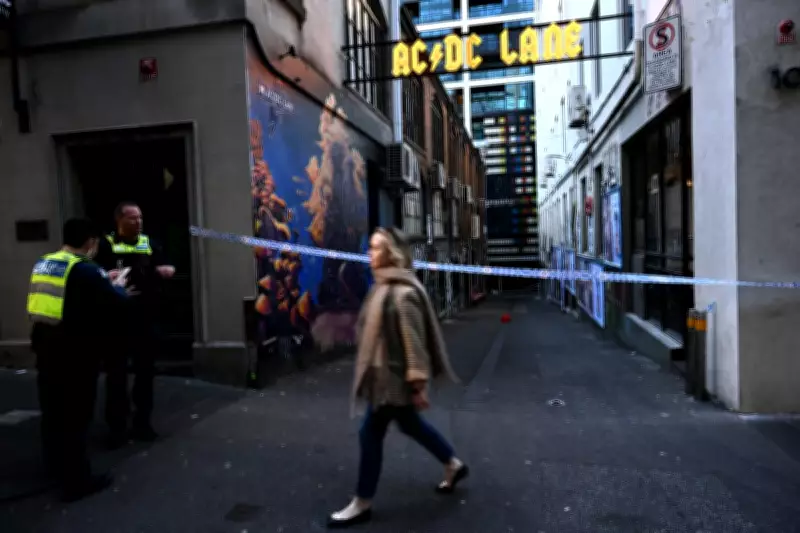
Victoria police have arrested more than 50 people in connection with a wave of firebombings targeting Melbourne's hospitality sector since April, yet the motive behind the attacks remains unknown. Authorities believe teenagers are being recruited by organised crime syndicates to carry out the arsons, shootings, and kidnappings that have plagued bars, nightclubs, and restaurants.
Recruitment of Minors
Detective Superintendent Jason Kelly described the use of children as foot soldiers as a global trend, facilitated by encrypted phone applications. Some teens were allegedly offered less than $1,000 per attack, with lighter sentences for minors making them attractive to criminals. In one case, two teens charged with firebombing a liquor company headquarters and a CBD venue received youth supervision orders without convictions, sparking outrage from victims.
Impact on Businesses
The owners of 80 Proof, whose Keysborough headquarters were destroyed in a fire, expressed dismay at the lenient sentences. They noted that eight employees lost their jobs and 15 others were severely impacted. "This was not a minor offence," they stated. "Victims, businesses, and employees are carrying the real punishment while offenders face little accountability."

Police Investigation
Police are considering five possible motives: extortion, bootleg liquor supply, illicit drug trafficking, security or promotions contracts, and religious or ideological reasons for targeting vice-related businesses. Not all attacks may have the same cause. Detectives are investigating a possible link to an Iraqi-based syndicate connected to alleged underworld figure Kazem Hamad, but other organised crime groups remain under scrutiny.
Government Response
The Allan government announced a $10 million hospitality security fund on 15 May and encouraged venues to share live CCTV feeds with police. Authorities claim most arrests occurred before fires were ignited, crediting surveillance technology. However, critics argue the state is losing control, drawing parallels to the illicit tobacco arson crisis.
One anonymous nightclub owner said the industry is scared, not secretive, and noted that most targeted venues are independent, not part of large conglomerates. "A lot of these places are owned by hardworking families," he said. "Now operators are leaving, and the industry is declining further after COVID and insurance issues."






