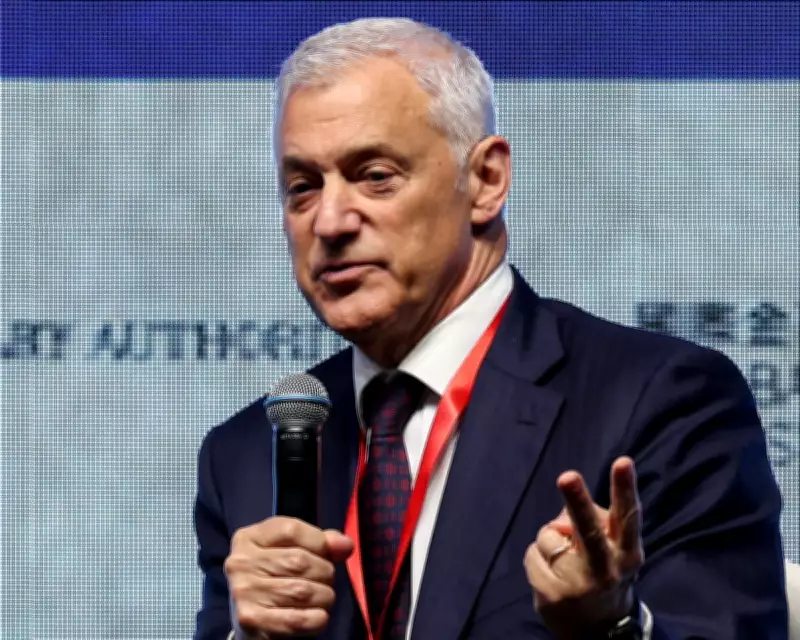
Standard Chartered chief executive Bill Winters has issued an apology after facing severe backlash for referring to some of the nearly 8,000 employees who are expected to lose their jobs to artificial intelligence as "lower-value human capital."
Controversial Remarks
Earlier this week, the London-headquartered bank announced plans to cut approximately 7,800 back-office roles, primarily driven by the adoption of AI technology. Winters initially defended the decision, stating, "It's not cost-cutting. It's replacing in some cases lower-value human capital with the financial capital and the investment capital we're putting in."
The comments quickly drew criticism from employees and the public, prompting Winters to take to LinkedIn on Friday to clarify his position. In an initial post, he wrote, "I said that lower-value roles are more vulnerable to automation, and that we have a responsibility to help colleagues move into higher-value roles. That is what a responsible employer should do."

Apology and Backlash
Despite his efforts to explain the broader context, the response remained largely negative. Winters then returned to LinkedIn with a more conciliatory tone, stating, "I have received a lot of support for the messages in my previous post but still get questions about my choice of words, which I know has caused upset to some colleagues. For that I am sorry."
However, he continued to justify his comments by providing the full transcript of his earlier remarks, hoping it would offer a "better understanding" of his point and his desire to "help them to cope with the accelerating pace of change in our industry."
Many commenters remained unimpressed. One wrote, "I'm struggling to see the difference between what you said and what is written. This was either a poor choice of words or an honest belief that came out as intended." Another added, "Your comments were utterly disgusting. You should be ashamed of yourself for committing them to a post."
Job Cuts and Strategy
Standard Chartered plans to eliminate 15% of its more than 52,000 back-office roles by 2030. The bank employs nearly 82,000 people globally. The cuts will primarily affect back-office centres in Chennai, Bengaluru, Kuala Lumpur, and Warsaw. The announcement comes as part of a broader strategy update that includes higher shareholder return targets, marking the end of a decade-long transformation from a potential takeover target to a steadily profitable lender.