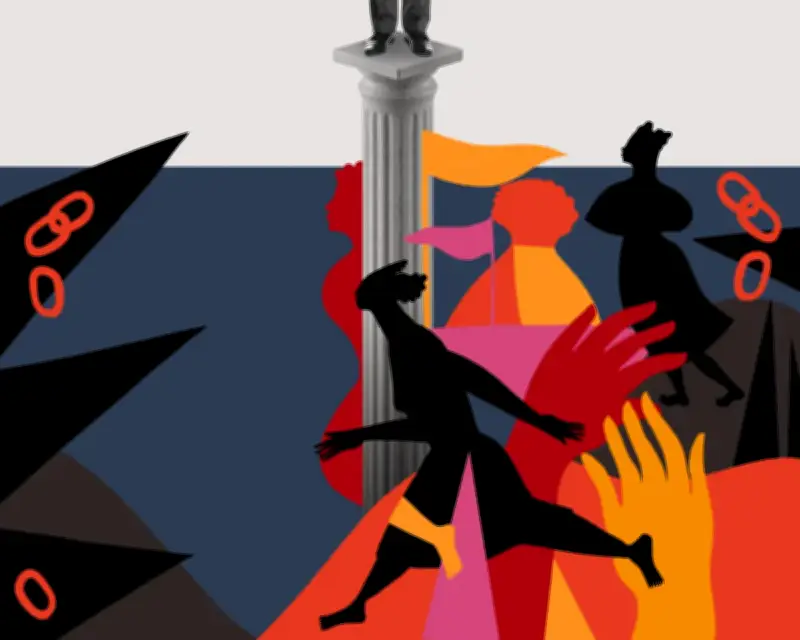
The Register of British Slave Traders, the product of a three-year project by a team of specialist historians, documents the investors in Britain’s near 250-year transatlantic slave trade from the first traffickers in the 1560s to abolition in 1807.
Comprehensive picture of perpetrators
The register provides biographical detail for as many of 10,500 investors as possible from historical records, building the most comprehensive single picture so far of those who perpetrated the enslavement of African people. Britain’s trafficking operations, including royal companies led by kings and, later, a rush of entrepreneurs in Bristol, Liverpool and other port cities, violently transported more than 3 million enslaved African men, women and children to colonial plantations in the Americas and Caribbean.
The Guardian is reporting on significant findings of the project, led by Prof William Pettigrew of King’s College London, and the vast human damage it documents: the relentless involvement of the British monarchy, parliament and financial and business elites; the role of the church in legitimising it; and how the investors’ wealth was woven deep into the country’s fabric and used to fund hospitals, schools, welfare organisations, the arts, science and culture.

Key findings of the register
Key elements include: A series of British kings and queens were leaders and investors in the trafficking of enslaved African people; More than 100 MPs were investors in slave-trading companies, including scores in the Tory and Whig parties – the forerunners of today’s Conservatives and Liberal Democrats; Dozens of directors and original financiers of the Bank of England were investors in the slave trade; More than 1,000 women invested in slave-trading companies; Forty-five Church of England clergymen were investors in the slave-trading Royal African Company. The BBC is showing a two-part documentary about the register, presented by the historian David Olusoga.
The publication of the register will provide further evidence for the growing global movement calling on European governments to acknowledge their perpetration of enslavement, issue a full, formal apology and engage positively with discussions for reparatory justice. Successive British governments have refused to do so, arguing there is no duty to make reparations because enslavement and the slave trade were not against the law at the time.
Famous names and hidden histories
Of the thousands of British slave traders identified in the register, some are household names: King James II, the last Catholic monarch to rule England, Scotland and Ireland whose statue celebrating him as a “defender of the faith” stands in Trafalgar Square, London; the composer George Frideric Handel; and the philosopher John Locke, both shareholders in the Royal African Company (RAC). The historians’ broader research found that Sir Christopher Wren, the architect of St Paul’s Cathedral and many other churches in London, chaired a meeting in 1682 of the Royal Society, the institution dedicated to furthering science, when it voted to invest in the RAC.
It is an illustration of modern Britain’s scant discussion of its enslaving history that the legendary status of these men rarely encompasses recognition that they participated in the slave trade. It is now better known that Queen Elizabeth I and her inner circle supported the enslaving voyages of the Plymouth-based privateer John Hawkins in the 1560s, lending him Royal Navy ships in return for a share of the profits. Perhaps the single British person now principally known as a slave trader, among the 10,500 in the register for whom the historians found records, is Edward Colston. He was an RAC investor and assistant, or director, Tory MP for Bristol and benefactor of schools and charities. That is the result of concerted campaigning and public education, culminating during the Black Lives Matter protests in 2020 in the toppling of Colston’s statue.

Impact and ongoing debate
An official delegation from Jamaica delivered a petition to King Charles last week to seek a legal ruling from the privy council, the final court of appeal for UK overseas territories and some Commonwealth countries, on whether that government position is lawful. In March 2026, a large majority of countries voted for a UN declaration, led by the president of Ghana, John Dramani Mahama, describing the historical trafficking and racialised chattel enslavement of Africans as “the gravest crime against humanity”. Britain abstained, issuing an official explanation that it objected to the wording because it created “a hierarchy of historical atrocities”.
The explanation said the government recognised “the abhorrent nature of slavery and the transatlantic slave trade” but declined to state that Britain perpetrated it. Instead it referred to enslavement as a “most painful” element in “history that we share with other nations”. The Register of British Slave Traders, documenting thousands of people from monarchs to mariners who took part in the atrocity, provides the latest clear record of Britain’s share in that most painful history.