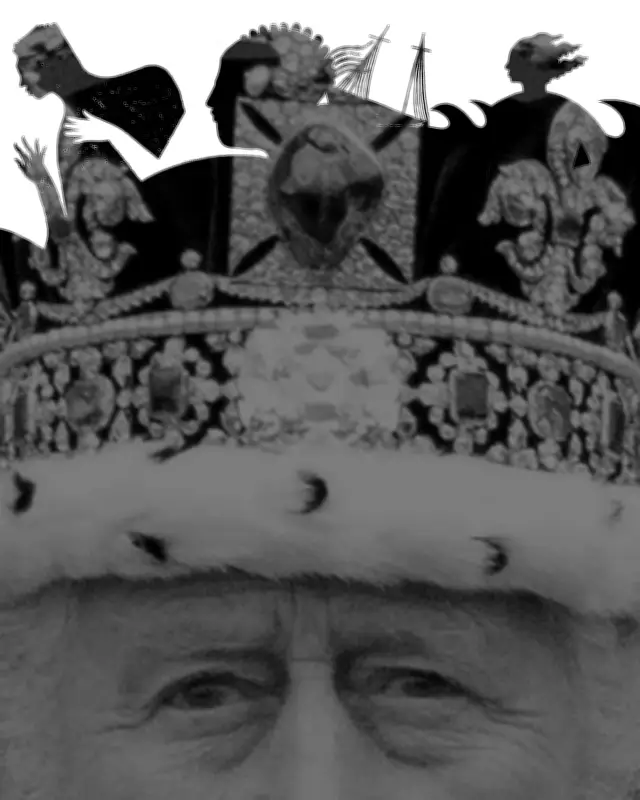
New historical research has documented the British monarchy's centuries-long involvement in the slave trade, revealing that enslaved African people were branded with hot metal marks bearing the royal crown. The Register of British Slave Traders, the most comprehensive research project into investors in Britain's trafficking of enslaved Africans, identifies thousands of people who invested in the trade, including kings and queens.
Evidence of Royal Branding Discovered
Dr Nicholas Radburn, a historian at Lancaster University, found evidence of the branding in the archives of the South Sea Company, a British crown-backed enterprise that trafficked thousands of enslaved African people to plantations in the 1700s. A letter from the company's board to its agents in Buenos Aires instructed them to brand enslaved people with a hot metal crown brand, despite a doctor's warning against it. The board, whose members included MPs and Bank of England directors, insisted the agents proceed, writing that it was "the most effectual … way to distinguish our Negroes from others".
Radburn said the letter illustrated how detailed the company's dehumanising cruelty was. "These people were members of the London elite, in a boardroom, thinking in fine grain terms about the violence that needs to be done to enslaved people across the ocean," he said. "And that will have happened as a result of that letter. People will have had their flesh seared with that brand."

Royal Companies Central to the Trade
The Register of British Slave Traders documents how Britain's enslaving and trafficking of more than 3 million African people for nearly 250 years was perpetrated as an official national enterprise, led by its monarchs. The kings and queens who powered the trafficking most ferociously were those after the monarchy was restored in 1660. James, Duke of York, who became King James II, was the governor and a substantial shareholder in the Royal African Company (RAC), founded in 1672, which trafficked more African men, women and children than any other single organisation in the history of the slave trade.
Prof William Pettigrew, the register's lead historian, said these royal enslaving companies were crucial to the Stuart dynasty's efforts to solidify the restored monarchy. "I view James II as the most important English slave trader of the 17th century," Pettigrew said. "The African companies were central to the monarchy's rehabilitation plan within the British constitution."
Monarchs' Investments and the Asiento
Queen Anne was a significant investor in the South Sea Company, which was established in 1711, and had rights to almost a quarter share of its overall profits. As part of a 1713 peace treaty, Britain was awarded the asiento – an agreement to deliver a stipulated 4,800 enslaved African men to Spain's American colonies every year. Anne's successors, George I and George II, were also personal investors in and supporters of the SSC.
According to the Slave Voyages database, the SSC trafficked 43,220 African captives from west Africa and Madagascar to the Caribbean and Spanish Americas between 1714 and 1740. The company also moved more than 50,000 enslaved people within the Americas. Almost 7,000 people died in the ships' notoriously appalling conditions.
Pressure on King Charles to Acknowledge History
Pressure on Charles from African and Caribbean countries to acknowledge this history and go further than previous expressions of sorrow is expected to build before the next Commonwealth heads of government meeting in Antigua and Barbuda in November. An official delegation from Jamaica delivered a petition to Charles last week, seeking a legal ruling from the privy council on whether the forced transport of Africans to Jamaica was lawful and whether Britain is obliged to provide restitution.
A spokesperson for the king said: "His majesty has on many occasions expressed his personal and wholehearted commitment to promoting greater understanding around the issue of slavery and finding ways to address historic wrongs for the benefit of communities today. In that context, he is grateful to all those undertaking academic work in this area and thus contributing to the debate about how such issues might best be addressed."

David Comissiong, the Barbados ambassador to the Caribbean Community, said he recognised that Charles's constitutional role meant he must not contravene government policy. "But just as other British establishment families have acknowledged their involvement in the slavery enterprise and indicated a willingness to make reparation, anybody conscious of the British monarchy's history would have to conclude that the British royal family should act similarly," he added.